






What's Happening?
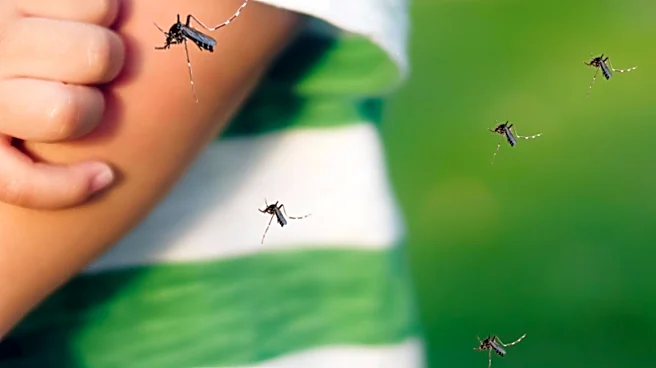
In Salt Lake City, the Mosquito Abatement District has launched a bicycle brigade to combat the increasing presence of invasive mosquito species, particularly Aedes aegypti and Aedes albopictus. These species are known vectors for diseases such as chikungunya,
Zika, dengue, and yellow fever. The district's efforts include using larvicide in stormwater catch basins and employing natural predators like the Western mosquitofish. The spread of these mosquitoes is attributed to global warming, which extends their range and increases their populations. Historically, these species were confined to tropical and subtropical regions, but they are now found in more temperate areas of the U.S., raising concerns about potential disease outbreaks.
Why It's Important?
The expansion of Aedes mosquitoes into new areas of the U.S. poses a significant public health risk. These mosquitoes are efficient disease vectors, and their presence increases the likelihood of local outbreaks of mosquito-borne diseases. As climate change continues to alter environmental conditions, the range and population of these mosquitoes are expected to grow, potentially leading to more frequent and widespread outbreaks. This situation underscores the need for robust mosquito control and surveillance programs to prevent the establishment of these diseases in new areas and protect public health.
What's Next?
Continued monitoring and control efforts are essential to manage the spread of Aedes mosquitoes. Public health officials may need to implement more comprehensive mosquito management strategies, including public education on reducing mosquito habitats and increased funding for mosquito control programs. As the climate continues to warm, the risk of mosquito-borne diseases will likely increase, necessitating ongoing research and adaptation of control measures to effectively address this evolving threat.