








What's Happening?
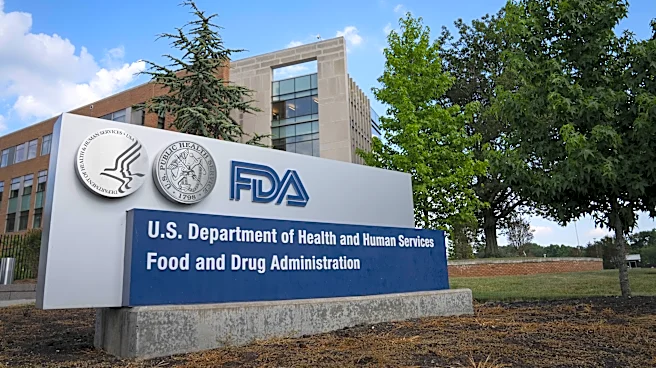
The Food and Drug Administration (FDA) is exploring the possibility of making vaginal estrogen available over-the-counter (OTC) for women experiencing menopause symptoms. This initiative aims to provide easier access to treatments for conditions such
as vaginal dryness, burning, irritation, and painful intercourse, which are caused by declining estrogen levels. Currently, these treatments require a prescription in the U.S., unlike in some other countries like Britain, Sweden, and Norway, where certain vaginal estrogen products are available without a prescription or with pharmacist assessment. The American College of Obstetricians and Gynecologists (ACOG) supports OTC access to hormonal contraception and has advocated for removing boxed warnings from low-dose vaginal estrogen, arguing that these warnings, based on systemic hormone therapy studies, unnecessarily deter clinicians from prescribing effective treatments. The FDA has not yet approved a switch or set a timetable for this change, but it is engaging with manufacturers to facilitate the process.
Why It's Important?
Expanding access to over-the-counter vaginal estrogen could significantly impact the healthcare landscape for menopausal women in the U.S. It would reduce the need for physician appointments, saving time, travel, and associated costs for patients. This move aligns with a broader trend of empowering patients to make informed decisions about their health and increasing the scope of practice for pharmacists. If implemented, it could alleviate the burden on the healthcare system by reducing routine doctor visits for a common condition. However, drug manufacturers might be hesitant to pursue OTC status, as prescription drugs are often covered by insurers, allowing for higher pricing compared to OTC medications. This financial dynamic could create a barrier to widespread OTC availability, potentially shifting costs directly to consumers. The debate also highlights the ongoing tension between patient access, professional medical oversight, and the economic incentives within the pharmaceutical industry.
What's Next?
The FDA will continue discussions with manufacturers to determine the feasibility and safety protocols for making vaginal estrogen available over-the-counter. This process will likely involve establishing clear labeling guidelines and potentially additional steps beyond labeling to ensure consumer safety and appropriate use without professional supervision. States may also need to consider expanding the scope of practice for pharmacists, allowing them to provide more care and potentially prescribe certain medications independently, as seen in states like Idaho, Colorado, and Montana. The American Medical Association has historically opposed such expansions, citing patient safety concerns, which could lead to further debate and legislative challenges. The outcome will depend on the FDA's final decision and the willingness of both federal and state policymakers to adapt regulations to support increased patient access and pharmacist capabilities.
Beyond the Headlines
The potential shift to over-the-counter vaginal estrogen touches upon deeper ethical and regulatory considerations regarding patient autonomy and the role of medical professionals. It challenges the traditional model where physicians are the sole gatekeepers to certain treatments, advocating for a system where competent adults, with proper information, can make self-care decisions. This move could set a precedent for other medications, potentially leading to a re-evaluation of prescription requirements for various common conditions. It also underscores the importance of accurate and understandable labeling, as consumers would rely heavily on this information for safe and effective use. The discussion also highlights the economic incentives that influence drug availability and pricing, suggesting that regulatory changes might need to address these financial aspects to ensure equitable access for all patients.