
What's Happening?
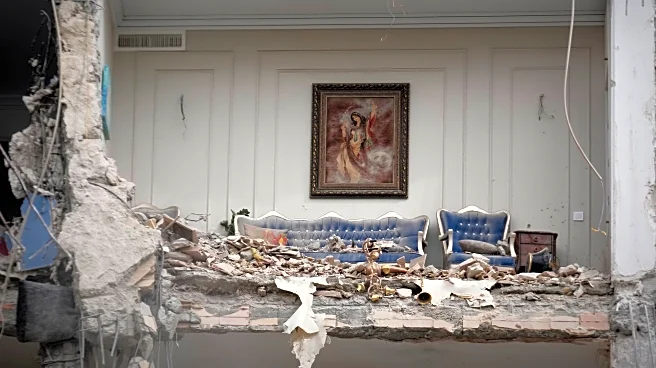
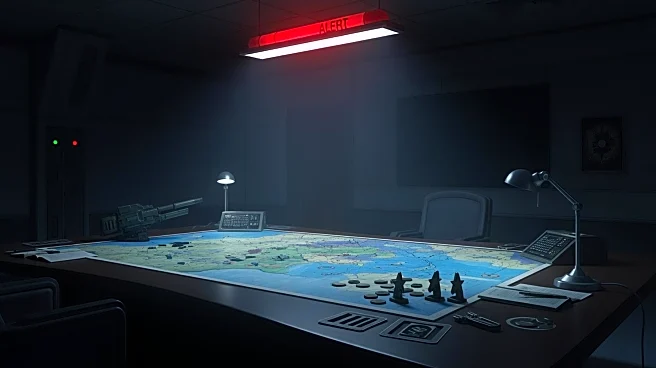
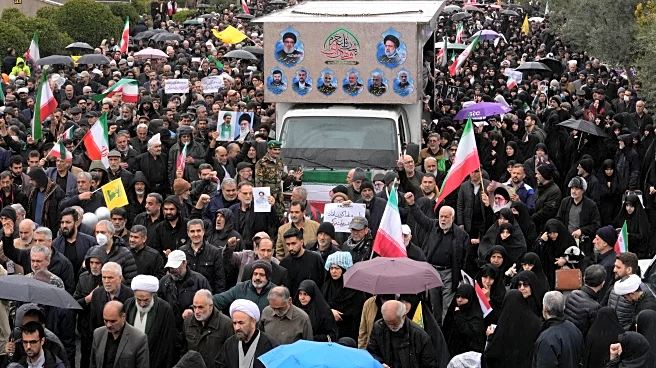
Amid ongoing military tensions, President Trump announced he is considering winding down U.S. military operations in Iran. This statement comes as Tel Aviv confirmed it acted alone in striking Iran's South Pars gasfield, further escalating the conflict.
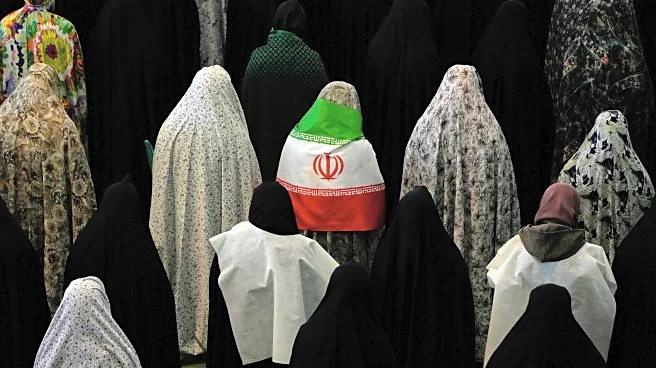
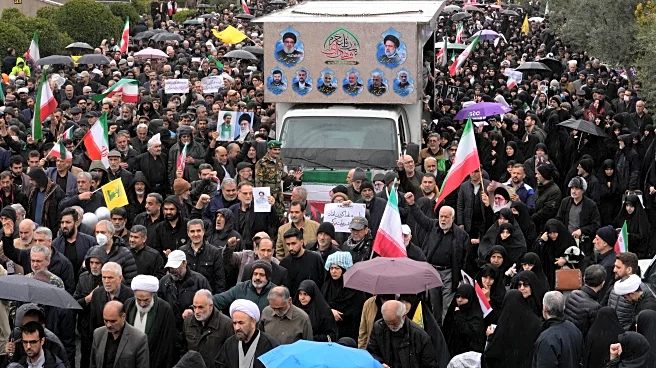
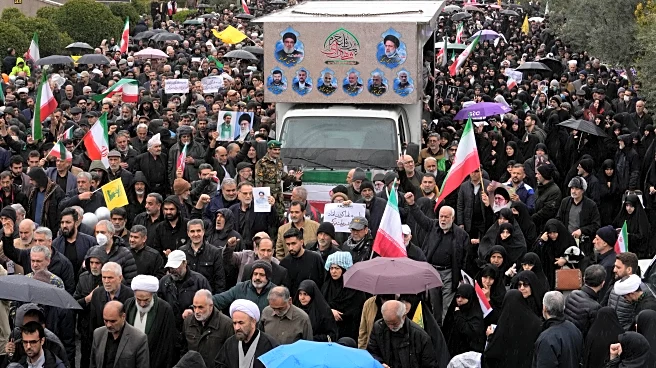
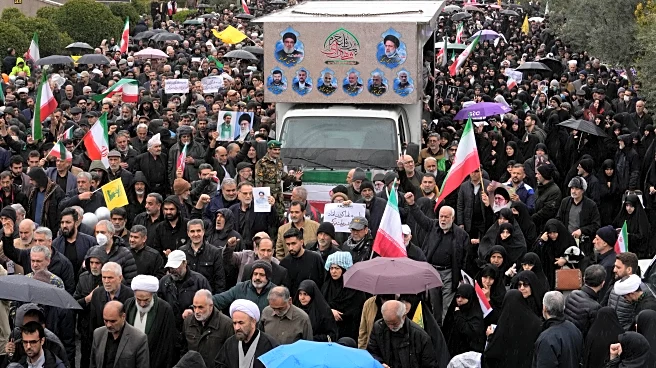
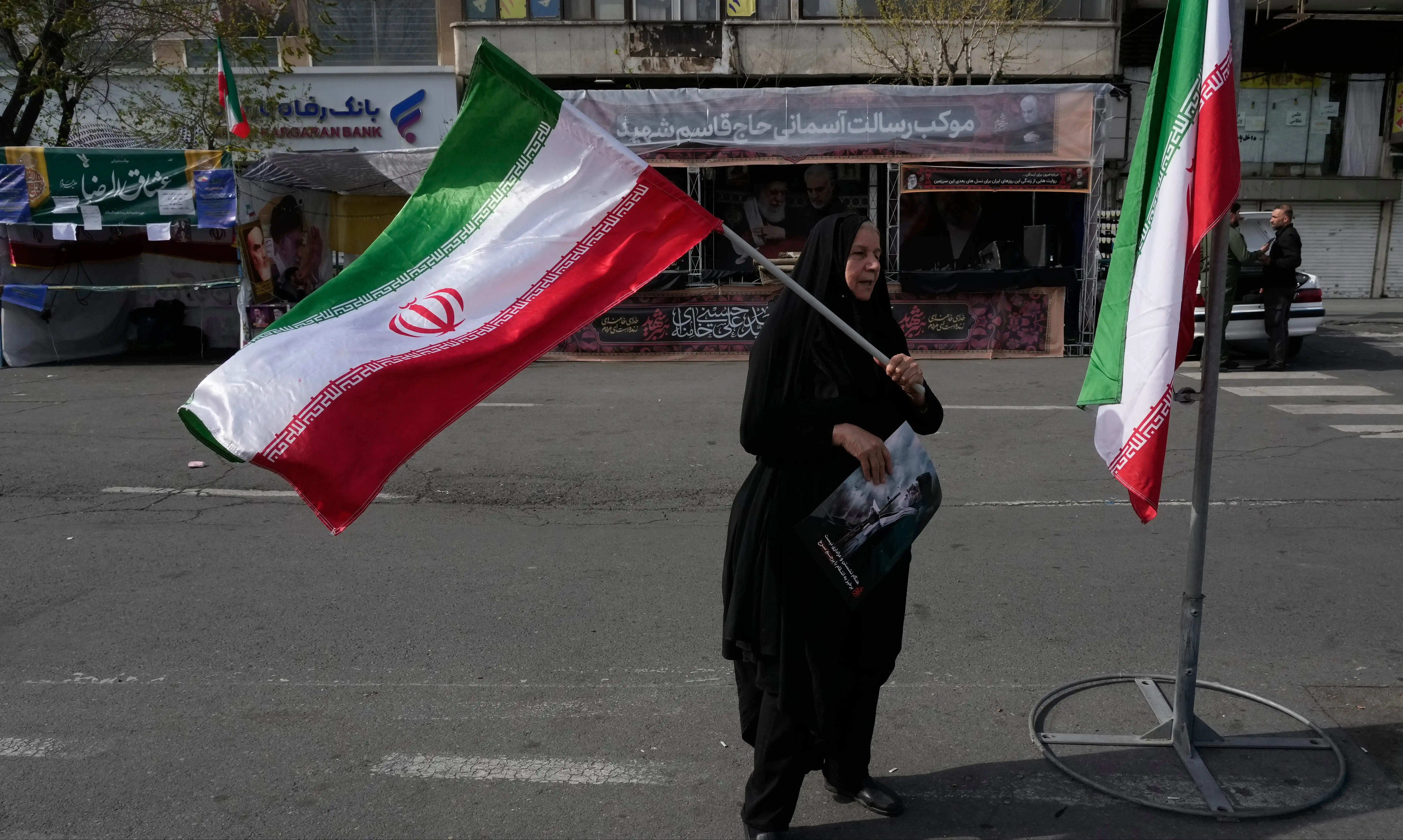
The Israeli defense minister, Israel Katz, indicated that strikes would intensify in the coming week. Despite the conflict, many Iranians are determined to celebrate Nowruz, the Persian New Year, which marks the spring equinox and symbolizes renewal and hope. However, the celebrations are overshadowed by the war, with many businesses in Tehran, such as the Tajrish Bazaar, experiencing disruptions. Some vendors have reopened their shops to sell traditional Nowruz items, but the atmosphere remains tense.
Why It's Important?
The potential winding down of U.S. military operations could signal a shift in the U.S. approach to the conflict in Iran, impacting international relations and regional stability. The escalation by Israel and the U.S.'s response could influence global oil markets and geopolitical alliances. For Iranians, the conflict disrupts daily life and cultural traditions, affecting businesses and social morale. The situation highlights the broader implications of military actions on civilian life and cultural practices, emphasizing the need for diplomatic solutions to prevent further escalation and economic disruption.
What's Next?
As the situation develops, international stakeholders will likely monitor the U.S. and Israel's military strategies closely. Potential diplomatic efforts may emerge to de-escalate tensions, involving global powers and regional actors. The Iranian government may face increased pressure to implement policy reforms to address domestic unrest and economic challenges exacerbated by the conflict. The international community's response, including potential sanctions or negotiations, will play a crucial role in shaping the conflict's trajectory and its impact on global stability.
Beyond the Headlines
The conflict's impact on cultural traditions like Nowruz underscores the resilience of communities in maintaining cultural identity amidst adversity. The situation raises ethical questions about the use of military force and its consequences on civilian populations. Long-term, the conflict could influence cultural preservation efforts and highlight the importance of protecting cultural heritage during times of war. The role of international media in shaping perceptions and narratives around the conflict also warrants consideration, as it influences public opinion and policy decisions.