




What's Happening?
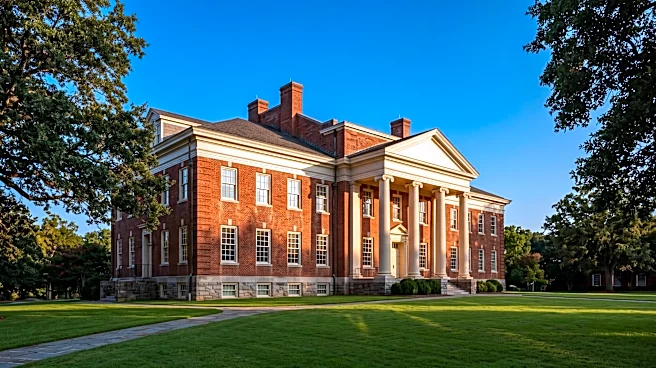
Benedict College, a private co-educational liberal arts institution, has been awarded a $750,000 grant from the National Park Service (NPS) for the preservation of Morgan Hall. This three-year initiative, named the Morgan Hall Preservation Progression
Project, aims to restore the college's oldest building, which is recognized as a historic landmark. The project builds upon a previous NPS preservation grant awarded in 2018 and focuses on maintaining the architectural integrity and structural soundness of Morgan Hall. Dr. Roslyn Clark Artis, President and CEO of Benedict College, emphasized that Morgan Hall is a testament to the vision and determination of those who sought educational opportunities for African Americans. Dr. Walletta Johnson, Director of Development and author of the grant proposal, highlighted that the award is an investment in preserving the Benedict College story and the broader HBCU experience. The planned activities include upgrading mechanical systems, architectural restoration of ceilings, woodwork preservation, interior and exterior renewal through painting, updating to energy-efficient lighting, plumbing improvements, and renovations of restrooms and kitchenettes. These efforts are designed to mitigate deterioration and preserve the building's historic character.
Why It's Important?
This grant is significant for several reasons, particularly for the preservation of Historically Black Colleges and Universities (HBCUs) and their role in American history. Morgan Hall, as Benedict College's oldest building, symbolizes the enduring legacy of African American education and resilience. The funding from the National Park Service underscores a national commitment to recognizing and protecting historic properties that document the progress and contributions of the American people. For Benedict College, this investment ensures that a vital piece of its institutional history remains intact, allowing future generations to connect with the legacy of perseverance and the transformative power of education. The project also supports the broader recognition and understanding of the HBCU narrative, which is crucial for a comprehensive understanding of U.S. educational and social history. The restoration efforts will not only maintain the physical structure but also safeguard the stories and experiences embedded within its walls, reinforcing the cultural and historical significance of HBCUs in the national landscape.
What's Next?
The three-year Morgan Hall Preservation Progression Project will commence with the outlined restoration and rehabilitation activities. These include mechanical system upgrades, architectural repairs, woodwork preservation, interior and exterior painting, energy-efficient lighting installations, plumbing improvements, and restroom and kitchenette renovations. Benedict College will likely continue to seek further funding and partnerships to support ongoing preservation efforts and educational initiatives tied to its historical buildings. The successful completion of this project could serve as a model for other HBCUs seeking to preserve their historic structures. Additionally, the college may leverage the restored Morgan Hall for educational programs, historical exhibits, or community engagement events, further solidifying its role as a cultural and educational hub. The ongoing collaboration with the National Park Service suggests a continued focus on federal support for the preservation of significant historical sites within educational institutions.
Beyond the Headlines
Beyond the immediate restoration of a building, this grant touches upon deeper themes of cultural heritage, educational equity, and national identity. The preservation of Morgan Hall is not merely about maintaining an old structure; it is about honoring the struggles and triumphs of African Americans in their pursuit of education. It highlights the critical role HBCUs have played in providing opportunities and fostering leadership within the Black community, often against significant societal barriers. The investment by the National Park Service reflects a growing awareness of the need to tell a more inclusive American story, one that acknowledges and celebrates the diverse institutions that have shaped the nation. This project can inspire similar initiatives across the country, encouraging the preservation of other historically significant sites that represent underrepresented narratives. It also underscores the ethical responsibility to protect tangible links to the past, ensuring that the lessons and legacies of these institutions continue to inform and inspire future generations, contributing to a richer and more complete understanding of American history and progress.