
What's Happening?
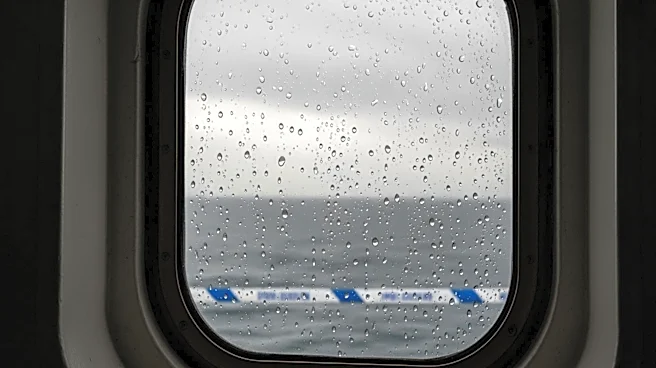
A recent hantavirus outbreak on the MV Hondius cruise ship has raised public concern, drawing comparisons to the COVID-19 pandemic. However, infectious disease experts emphasize that hantavirus differs
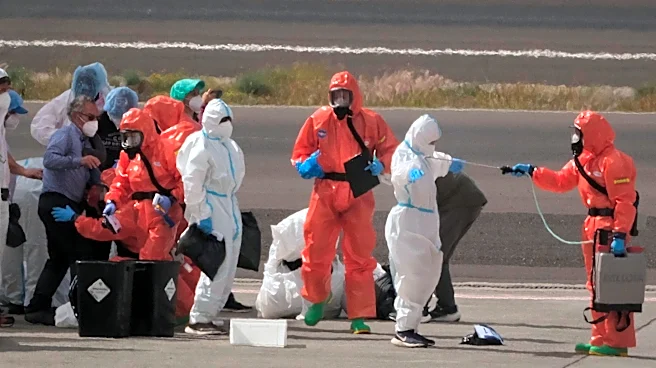
significantly from COVID-19 in terms of transmission and mutation. The virus primarily spreads through rodents, with human-to-human transmission being extremely rare and documented only with the Andes strain. The outbreak on the cruise ship has resulted in a limited number of cases, with U.S. passengers being quarantined at medical facilities. The Centers for Disease Control and Prevention (CDC) and other health officials are monitoring the situation closely, ensuring that exposed individuals are isolated and treated appropriately.
Why It's Important?
The hantavirus outbreak highlights the importance of distinguishing between different viral threats and understanding their transmission dynamics. Unlike COVID-19, hantavirus does not spread easily among humans, reducing the likelihood of a widespread outbreak. This distinction is crucial for public health responses and resource allocation. The outbreak serves as a reminder of the need for vigilance in monitoring emerging infectious diseases and underscores the importance of effective quarantine measures to prevent further spread. The situation also provides an opportunity to educate the public about hantavirus and its transmission, reducing unnecessary panic and anxiety.
What's Next?
Health officials will continue to monitor the quarantined individuals and provide necessary medical care. The CDC and other agencies may conduct further investigations to understand the origins of the outbreak and prevent future occurrences. Public health campaigns may be launched to educate the public about hantavirus and its prevention. The situation may also prompt discussions on improving quarantine protocols and preparedness for handling similar outbreaks in the future.