



What's Happening?
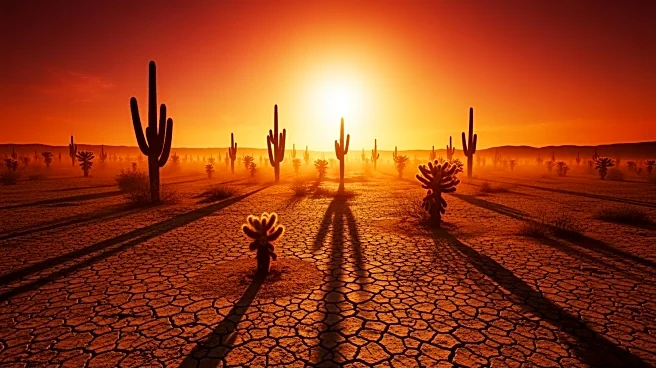
A severe heatwave has hit the western United States, breaking numerous temperature records and posing significant threats to water supplies and increasing the risk of wildfires. The heatwave has pushed temperatures 20 to 30 degrees Fahrenheit above average,
with some areas experiencing spikes up to 40 degrees higher than normal. This unprecedented heat event has already broken March high temperature records in at least 14 states, with Arizona and California reaching temperatures as high as 112 degrees Fahrenheit. The heatwave is exacerbated by a large dome of pressure over the region, and forecasts indicate that the extreme temperatures will persist for at least another week. The heat is rapidly melting the already sparse snowpack, which is crucial for water supply in the region, and is expected to lead to ecological impacts and water challenges by late summer.
Why It's Important?
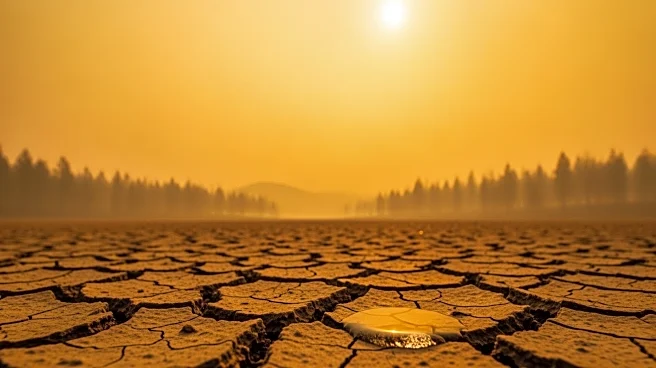
The ongoing heatwave is a significant concern for the western U.S., as it threatens to deplete water resources and increase the risk of wildfires. The Colorado River basin, a critical water source for millions, is particularly at risk of water supply and hydroelectric shortfalls. The heatwave has also intensified drought conditions, with more than half of the continental U.S. already classified in moderate to exceptional drought. This situation is likely to worsen, affecting agriculture, water availability, and increasing the likelihood of wildfires. The National Interagency Fire Center has reported that more than 1.4 million acres have already burned this year, more than double the 10-year average for the same period. The heatwave underscores the urgent need for policy measures to address climate change and its impacts.
What's Next?
As the heatwave continues, more high-temperature records are expected to be broken, and the risk of wildfires will remain high. The National Weather Service forecasts that temperatures will remain 20-25 degrees above average, potentially breaking more records across the southwest, inter-mountain west, and central U.S. The ongoing drought conditions are expected to persist and expand, further straining water resources. Policymakers and environmental agencies may need to implement measures to mitigate the impacts of the heatwave, such as water conservation efforts and wildfire prevention strategies. The situation highlights the need for long-term strategies to address climate change and its effects on weather patterns and natural resources.
Beyond the Headlines
The current heatwave is a stark reminder of the broader impacts of climate change, as it pushes weather patterns into extremes that were previously unthinkable. The rapid changes in climate are altering the seasons and environmental conditions that people and ecosystems have adapted to over centuries. This shift poses significant risks to vulnerable populations, such as outdoor workers and those without access to air conditioning. The heatwave also highlights the interconnectedness of climate systems, as changes in one region can have cascading effects on water supply, agriculture, and public health. Addressing these challenges requires coordinated efforts at local, national, and international levels to develop sustainable solutions and adapt to a changing climate.