

What's Happening?
U.S. Representative Kathy Castor has introduced H.R. 11012, known as the Optimizing Networks for Distributed Energy Management and New Demand (ON-DEMAND) Act. This bill aims to direct the Department of Energy (DOE) to facilitate the broader adoption and integration
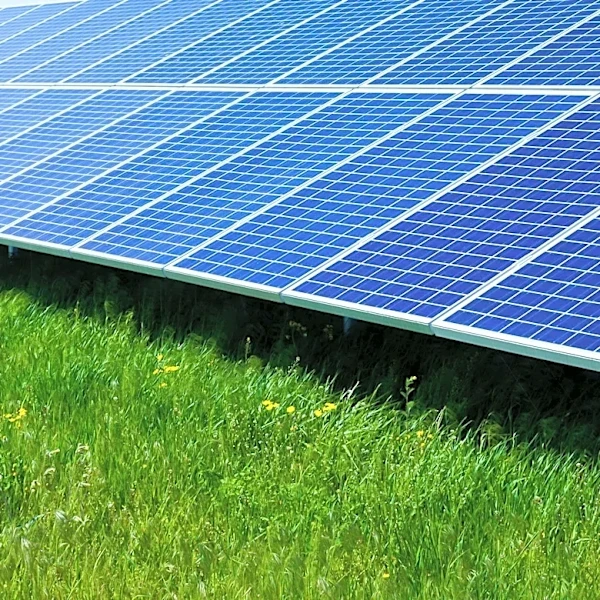
of virtual power plants (VPPs) across the United States. VPPs are defined as coordinated groups of smaller, distributed energy resources such as battery storage, rooftop solar, electric vehicles, and smart thermostats, which can be managed collectively to support the electric grid. The proposed legislation mandates several actions from the DOE, including convening stakeholder meetings with utilities, regulators, researchers, and consumer groups to identify barriers to VPP expansion. Additionally, the DOE would be tasked with studying these barriers, developing model standards and best practices for VPP design and operation, and creating communication and cybersecurity protocols in coordination with the National Institute of Standards and Technology. The bill also requires the DOE to provide technical assistance to various entities, including electric utilities, state regulators, and grid operators, to help them adopt and integrate VPP systems. National Laboratories would also be directed to expand modeling and forecasting tools to aid in VPP design and operation.
Why It's Important?
The ON-DEMAND Act is significant for its potential to accelerate the modernization and resilience of the U.S. electric grid. By promoting virtual power plants, the legislation could enhance grid stability, reduce peak demand, and integrate more renewable energy sources efficiently. This initiative could lead to lower electricity costs for consumers by optimizing energy use and reducing the need for expensive traditional power plant infrastructure. For the energy industry, it signifies a shift towards decentralized energy management, potentially benefiting companies involved in renewable energy generation, battery storage, and smart grid technologies. Utilities would need to adapt their planning and operational strategies to incorporate these distributed resources, which could lead to new business models and revenue streams. Furthermore, the focus on cybersecurity and data sharing protocols within the bill addresses critical concerns related to grid security and consumer privacy in an increasingly interconnected energy landscape. The bill's emphasis on technical assistance and stakeholder collaboration aims to ensure a smoother transition and broader participation across different regions and utility types.
What's Next?
Following its introduction, H.R. 11012 will proceed through the legislative process, which typically involves committee review, potential amendments, and votes in both the House of Representatives and the Senate. If enacted, the Department of Energy would be required to initiate several actions within a year, including organizing stakeholder meetings and beginning studies on barriers to virtual power plant adoption. The DOE would also commence the development of model standards, best practices, and communication protocols. Electric utilities, state regulatory bodies, and grid operators would likely begin assessing their current infrastructure and planning for the integration of VPPs, potentially seeking the technical assistance offered by the DOE. Companies in the renewable energy, energy storage, and smart home technology sectors may see increased demand for their products and services as VPPs become more prevalent. The Energy Secretary would also be required to submit reports and briefings to Congress detailing the progress and outcomes of these initiatives, ensuring ongoing oversight and potential future legislative adjustments.
Beyond the Headlines
The ON-DEMAND Act represents a broader strategic shift in how the U.S. approaches energy infrastructure and climate goals. Beyond immediate grid benefits, widespread adoption of virtual power plants could empower consumers by giving them more control over their energy consumption and potentially enabling them to participate in energy markets. This could foster a more democratic and resilient energy system, less reliant on large, centralized power plants. Ethically, the bill's focus on data privacy and cybersecurity protocols for VPPs is crucial, as increased connectivity of household devices to the grid raises concerns about data breaches and potential vulnerabilities. Legally, the development of model standards and best practices could influence future state-level regulations and utility tariffs, creating a more uniform and supportive environment for distributed energy resources. Culturally, it could accelerate the adoption of sustainable energy practices at the household and community levels, fostering greater environmental awareness and participation in climate solutions. This legislative push could also spur innovation in energy management technologies, driving economic growth and job creation in the green energy sector.