





What's Happening?
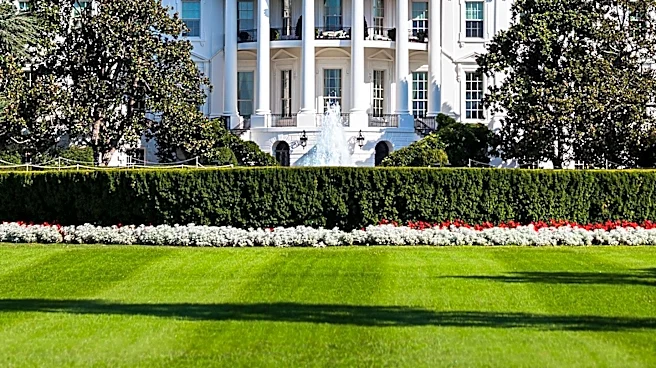
In June 1995, Monica Lewinsky began an unpaid internship at the White House at the age of 22. Months later, she initiated an intimate relationship with then-President Bill Clinton, who was 27 years her senior. After receiving a paid position in the Office
of Legislative Affairs, Lewinsky's access to the Oval Office allowed their meetings to continue for several months. By April 1996, Evelyn Lieberman, Deputy Chief of Staff, arranged for Lewinsky's transfer to the Pentagon due to concerns from some officials about her presence in the White House. At the Pentagon, Lewinsky befriended Linda Tripp, to whom she confided details of her relationship with President Clinton, unaware that Tripp was secretly recording their conversations. These recordings were later passed to independent prosecutor Kenneth Starr, who was investigating the Whitewater affair and subsequently expanded his inquiry to include potential perjury and obstruction of justice related to Lewinsky's statements. On January 7, 1998, Lewinsky denied a sexual relationship with President Clinton under oath, a denial echoed by President Clinton on January 17 during a deposition in the Paula Jones sexual harassment lawsuit. The scandal broke publicly, leading to President Clinton's public denial on January 26, stating he did not have sexual relations with the former intern.
Why It's Important?
The affair between Monica Lewinsky and President Bill Clinton, and the subsequent legal and political fallout, had profound implications for American politics and society. The scandal led to impeachment proceedings against President Clinton, making him only the second president in U.S. history to be impeached by the House of Representatives. This event highlighted the intense scrutiny faced by public figures and the potential for personal conduct to trigger significant constitutional crises. The public's reaction was deeply divided, reflecting partisan lines and differing views on the nature of presidential conduct and privacy. The scandal also brought to the forefront discussions about perjury, obstruction of justice, and the power dynamics inherent in relationships between individuals in positions of authority and their subordinates. Furthermore, the extensive media coverage and public discourse surrounding the affair contributed to a shift in how personal lives of politicians are perceived and reported, setting a precedent for future political scandals. The events underscored the fragility of political careers and the lasting impact of public shaming, which Lewinsky herself has since addressed as an advocate against cyber-bullying.
What's Next?
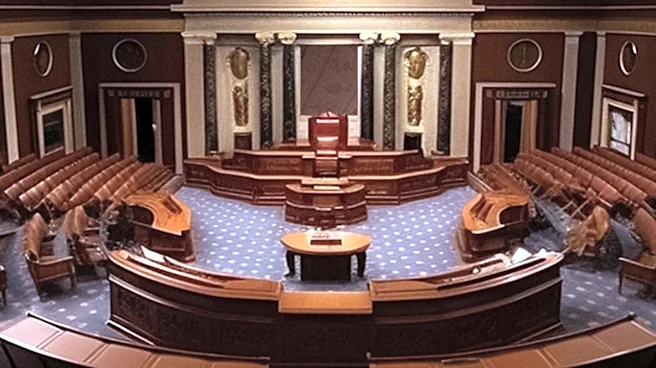
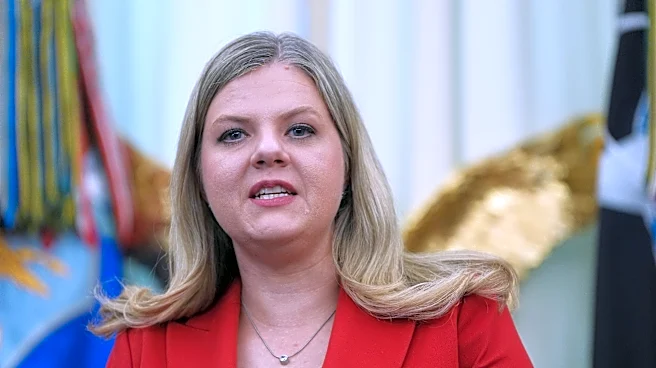
The immediate aftermath of the scandal saw President Clinton facing a Senate trial in January 1999. Despite the House's impeachment, the Senate acquitted him of both perjury and obstruction of justice charges on February 12, 1999, as the two-thirds majority required for removal from office was not met. President Clinton completed his term, but not without legal repercussions; he was sanctioned by a court for false testimony in the Paula Jones case, and his law license in Arkansas was suspended for five years. For Monica Lewinsky, the scandal marked the beginning of a long journey to reclaim her narrative. She has since become a prominent advocate against cyber-bullying and public shaming, using her personal experience to highlight the psychological impact of losing control over one's story. Her advocacy work continues to influence public discourse on online harassment and the importance of empathy in the digital age, suggesting a long-term shift in how society views and discusses victims of public scrutiny.
Beyond the Headlines
The Monica Lewinsky scandal transcended a mere political event, delving into deeper ethical, legal, and cultural dimensions that continue to resonate. Ethically, it sparked debates about power imbalances in professional relationships, particularly within the hierarchical structure of the White House. The legal proceedings, including the use of recorded conversations and the focus on the definition of 'sexual relations,' raised questions about privacy, prosecutorial overreach, and the weaponization of personal information in political battles. Culturally, the scandal ignited a national conversation about morality, fidelity, and the role of the media in sensationalizing private lives. It also contributed to a broader understanding of public shaming and its long-term psychological effects, particularly for women in the public eye. Lewinsky's subsequent advocacy against cyber-bullying has transformed her from a figure of scandal into a voice for empathy and resilience, highlighting the enduring impact of such events on individuals and the evolving societal norms around public discourse and digital ethics. The 'blue dress' became an iconic symbol, representing the intersection of personal privacy, political power, and forensic evidence in a highly publicized legal battle.