





What's Happening?
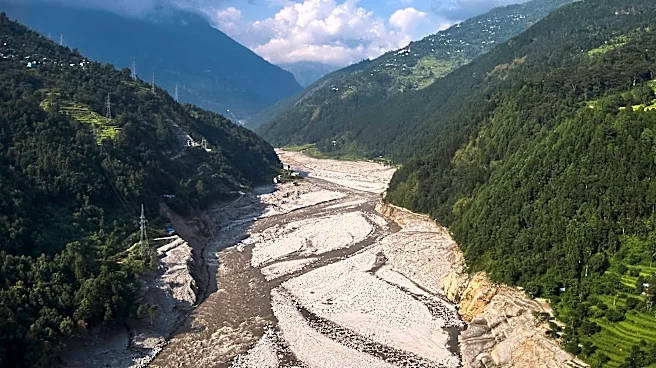
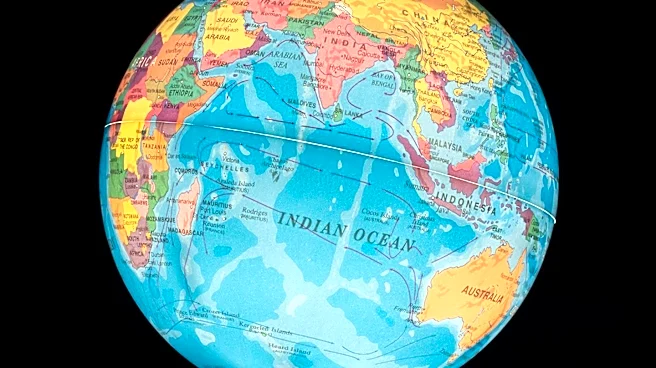
India is unequivocally classified as a Southern Asian nation, a designation supported by conventional geographical definitions, historical context, and geopolitical considerations. Geographically, India is central to the Indian subcontinent, bordered
by the Himalayas to the north and the Indian Ocean to the south, forming a distinct subregion that includes Pakistan, Bangladesh, Sri Lanka, Nepal, Bhutan, and the Maldives. Historically, the region shares a common tapestry of trade routes, religious movements, and linguistic diffusion, with major language families like Indo-Aryan and Dravidian distinct from those in East or Southeast Asia. Geopolitically, India is a founding member of the South Asian Association for Regional Cooperation (SAARC), an organization that solidifies its role within Southern Asia. While India's foreign policy increasingly looks towards the broader Indo-Pacific region, this strategic outlook does not negate its fundamental geographical roots in Southern Asia, as affirmed by international consensus from organizations like Encyclopædia Britannica.
Why It's Important?
This clear classification of India as a Southern Asian nation is vital for U.S. foreign policy, economic strategy, and academic understanding. For U.S. policymakers, it provides a foundational understanding for engaging with regional security dynamics, trade agreements, and diplomatic initiatives. Recognizing India's central role within SAARC and its immediate neighborhood helps in formulating effective strategies for regional stability and development. Economically, U.S. businesses and investors can better assess market opportunities and risks by understanding India's interconnectedness with its Southern Asian neighbors. Academically, this classification is crucial for studies in international relations, geography, and public health, as it informs analyses of climate patterns, regional alliances, and disease spread. Misclassifying India could lead to misinformed policies and missed opportunities for collaboration in a region critical to global stability and economic growth.
What's Next?
The ongoing debate about India's broader Indo-Pacific engagement versus its Southern Asian geographical identity will likely continue to shape its foreign policy and regional interactions. While its geographical classification remains firm, India's strategic interests will increasingly extend beyond its immediate neighbors, influencing its partnerships with countries in East Asia and the maritime domain of the Indian Ocean. U.S. diplomatic and economic strategies will need to balance these dual aspects of India's identity, fostering strong bilateral ties while also supporting regional cooperation within Southern Asia and broader Indo-Pacific initiatives. Future discussions may focus on how India's growing global influence impacts its role as a regional hegemon within Southern Asia and how this duality affects regional stability and international relations.
Beyond the Headlines
The discussion around India's regional identity highlights the complex interplay between geography, history, and modern geopolitics. While physical boundaries and historical ties firmly place India in Southern Asia, its economic power and strategic ambitions are pushing it towards a more expansive role in the Indo-Pacific. This dynamic reflects a global trend where rising powers redefine their spheres of influence beyond traditional geographical confines. The nuanced understanding of India's position is crucial for avoiding oversimplifications in international relations, recognizing that a nation's identity can be multi-layered. It also underscores the importance of regional organizations like SAARC, even as major members pursue broader international engagements, as they remain critical platforms for addressing shared challenges and fostering regional cohesion.