






What's Happening?
On May 31, 2026, sky watchers will have the opportunity to observe a rare astronomical event featuring a Blue Moon and the bright star Antares. The Full Moon, which is the second in May, will be visible at 4:45 A.M. EDT, marking the only Blue Moon of
the year. Shortly after, at 5 A.M. EDT, the Moon will pass 0.4° south of Antares, a red giant star known for its distinct orangey-red hue. This conjunction will be visible in the southwest sky for observers on the East Coast of the United States. Antares, which marks the heart of the Scorpius constellation, will be visible just above the Moon's position as they both set. The event is notable for the brightness of both celestial bodies, with Antares shining at magnitude 1.1, making it distinguishable even in the moonlit sky.
Why It's Important?
This astronomical event is significant for both amateur and professional astronomers, as it provides a unique opportunity to observe a Blue Moon alongside a prominent star like Antares. Such events are rare and offer a chance to engage the public in astronomy, potentially inspiring interest in the field. The visibility of Antares, despite the bright Full Moon, highlights the star's prominence and offers a practical demonstration of celestial navigation and observation techniques. For the scientific community, these events can also serve as a reminder of the dynamic nature of the night sky and the importance of continued observation and study.
What's Next?
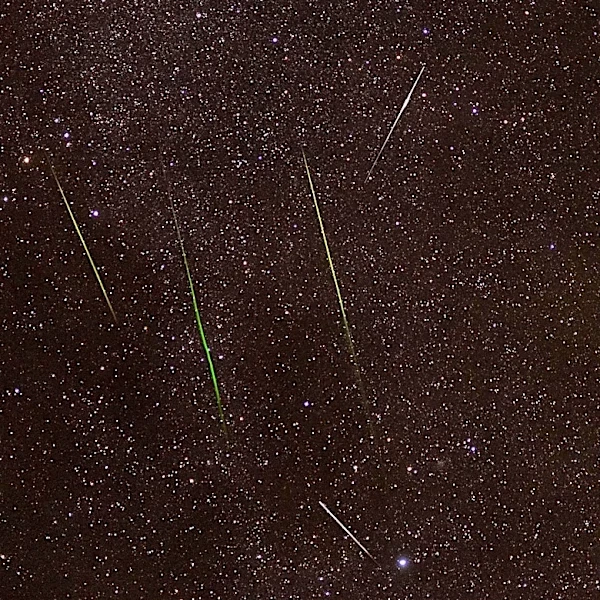
Following this event, astronomers and enthusiasts will continue to monitor the night sky for other significant occurrences. The next major celestial event will be the Perseids meteor shower, which peaks in August. Observatories and astronomy clubs may organize public viewing events to capitalize on the increased interest generated by the Blue Moon and Antares conjunction. Additionally, educational institutions might use this opportunity to promote astronomy programs and encourage participation in future sky-watching activities.