


What's Happening?
Researchers from CSIRO and the University of Melbourne have significantly improved the reliability of long-range climate forecasts for El Niño and La Niña events. Their findings indicate that predictions initiated during La Niña conditions maintain reliability for up
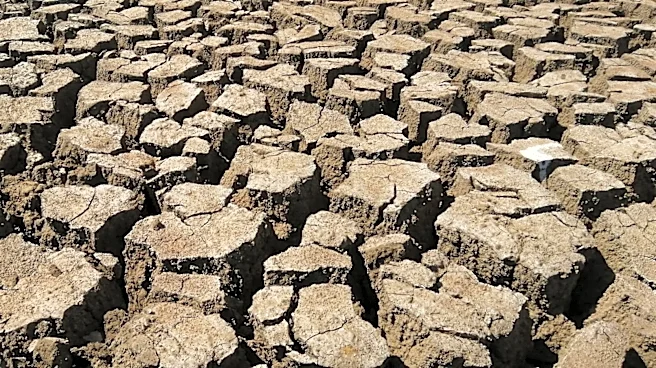
to 12 months, whereas forecasts starting from neutral conditions are less accurate. This research, published on November 7, 2026, involved evaluating over 7,500 historical climate forecasts from models developed in nine different countries. The study compared the accuracy of these predictions based on the ocean conditions present at the start of each forecast. The scientists emphasized that the skill of seasonal outlooks heavily depends on the Pacific Ocean's initial state, suggesting that accounting for whether La Niña or neutral conditions are present at the forecast's launch can make these outlooks more useful. This advancement could provide communities with earlier warnings for extreme weather events such as droughts and floods.
Why It's Important?
The improved reliability in forecasting El Niño and La Niña events holds substantial importance for U.S. industries, public policy, and society. Enhanced lead times for predicting extreme weather events like droughts and floods, which are often linked to these climate patterns, allow governments and planners more opportunity to implement proactive measures. For instance, agricultural sectors can better plan planting and harvesting schedules, and water management authorities can optimize resource allocation. Infrastructure development and emergency services can also benefit from earlier warnings, enabling them to prepare for potential impacts, thereby reducing economic losses and safeguarding lives. Communities in drought- and flood-prone regions, particularly in the U.S., stand to gain significantly from these more dependable long-range outlooks, allowing for better preparedness and resilience against climate-related disasters. The findings suggest a shift towards more effective climate risk management.
What's Next?
While the new approach has not yet been adopted into operational forecasting systems, the researchers indicate that further work is required before it can be used operationally. The next steps will likely involve integrating these findings into existing climate models and conducting additional validation studies to ensure their robustness across various scenarios. Emergency planners and government agencies will need to monitor the maturation of these methods and official seasonal outlooks. Once adopted, these improved forecasts could lead to the development of more sophisticated early warning systems, allowing for more timely and effective responses to climate variability. This could include updating public advisories, adjusting resource management strategies, and enhancing disaster preparedness protocols based on the more reliable long-term predictions.
Beyond the Headlines
The deeper implications of this research extend to the ethical and economic dimensions of climate preparedness. By providing more reliable long-range forecasts, the scientific community is offering a powerful tool that could mitigate the human and economic costs of climate-related disasters. However, the effectiveness of this tool hinges on its operational adoption and the willingness of stakeholders to act on the information. There's an ethical imperative for governments and organizations to utilize these advancements to protect vulnerable populations and ensure equitable access to preparedness resources. Economically, the ability to anticipate climate events with greater accuracy could lead to more stable markets, reduced insurance costs, and more efficient allocation of public funds, fostering a more resilient society in the face of a changing climate.