
What's Happening?
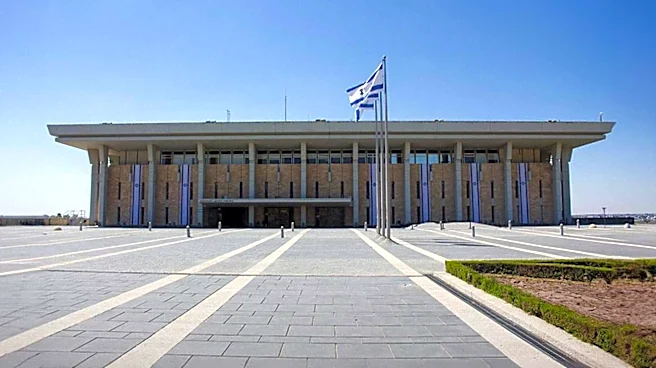
Israel has banned the import of goods produced using forced labor, aligning with global trade standards. Prime Minister Benjamin Netanyahu's proposal was approved, emphasizing the moral, economic, and strategic importance of combating human trafficking
and forced labor. The Economy and Industry Ministry will establish regulations in accordance with international law, and the National Economic Council will develop an enforcement method within 90 days. This move positions Israel alongside leading countries in preventing exploitation and strengthens its credibility as a trading partner.
Why It's Important?
The ban on forced labor imports is a significant step in reinforcing Israel's commitment to human rights and fair trade. It enhances the country's standing in international markets, potentially improving trade conditions and reducing barriers for Israeli exporters. This decision reflects a broader global trend towards ethical trade practices, impacting economic stakeholders and aligning with international standards. It also underscores the importance of addressing human rights issues in trade policies.
What's Next?
The Economy and Industry Ministry will establish regulations to enforce the ban, while the National Economic Council will develop an enforcement mechanism. This process will involve designating an authorized entity for decision-making, establishing criteria for identifying products, and creating reporting and appeal mechanisms. The government aims to ensure effective enforcement and certainty for importers, preserving fair trade rules and strengthening Israel's economic position.