





What's Happening?
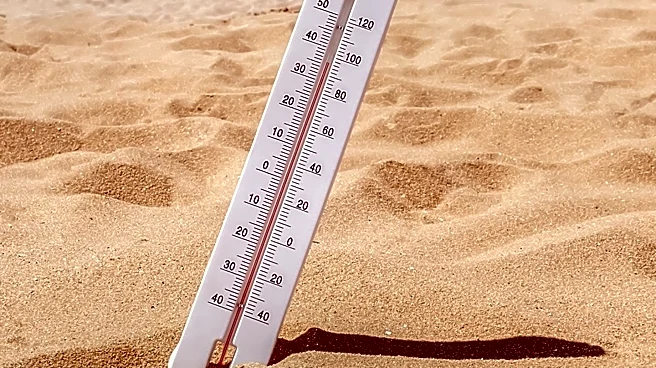
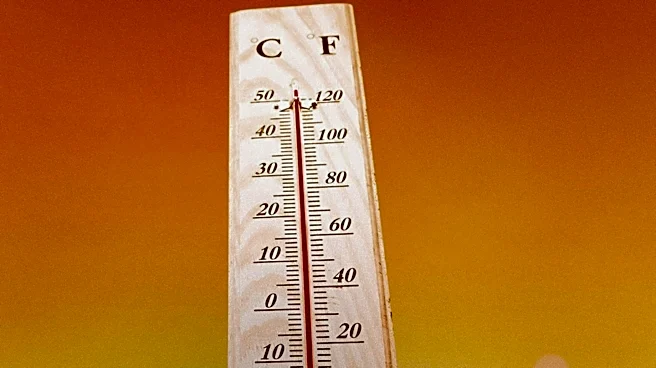
Extreme heat is significantly impacting daily life across the southern United States, with higher utility bills, changes in work schedules, and adjustments to outdoor activities. Defined as periods of unusually high temperatures and humidity lasting at least
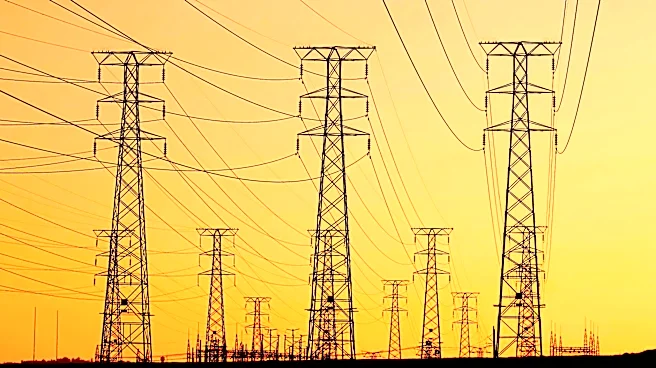
two to three days, extreme heat is becoming more frequent and intense. This phenomenon affects infrastructure, agriculture, and public health, with increased electricity use straining power grids and heat stress impacting agricultural production. Communities are adapting by shifting outdoor activities to cooler parts of the day and implementing measures to mitigate heat buildup in urban areas.
Why It's Important?
The increasing prevalence of extreme heat events poses significant challenges to public health, infrastructure, and economic stability. As temperatures rise, the risk of heat-related illnesses and fatalities increases, particularly among vulnerable populations. The strain on power grids and infrastructure can lead to outages and increased maintenance costs. Additionally, agricultural productivity may decline due to heat stress, affecting food supply and prices. These challenges necessitate proactive measures, such as enhancing urban planning to reduce heat islands, improving public health responses, and investing in resilient infrastructure to withstand extreme weather conditions.