



What's Happening?
A widespread heat wave is currently affecting large parts of the United States, with the National Weather Service (NWS) issuing warnings about 'dangerous' conditions. The heat wave is expected to impact more than 20 cities, stretching from the Plains
to the Midwest and South. Heat index values are forecast to reach as high as 110 degrees in parts of Texas and exceed 100 degrees in states like Missouri, Kansas, Iowa, Arkansas, and Tennessee. The NWS has cautioned that these conditions significantly increase the risk of heat-related illnesses, urging people to stay hydrated, limit outdoor activities, and seek air-conditioned environments. The heat wave is expected to peak on the East Coast by Friday before gradually easing over the weekend.
Why It's Important?
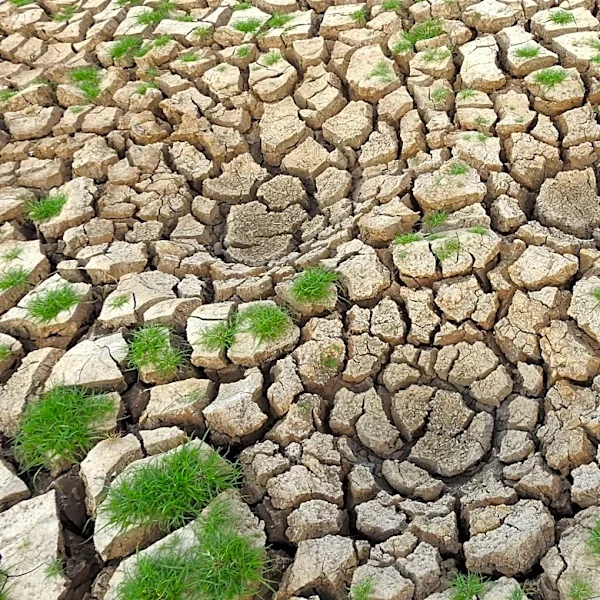
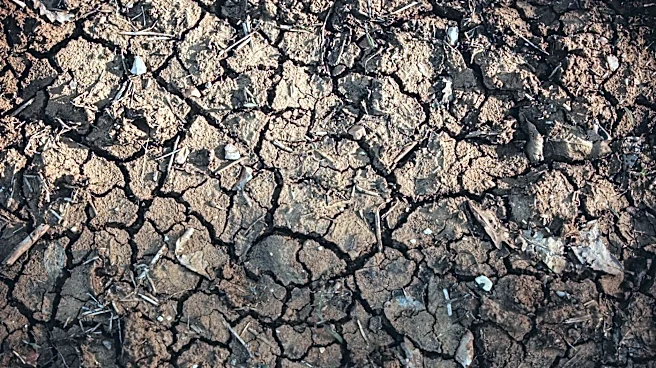
The heat wave poses significant health risks, particularly for vulnerable populations such as the elderly, children, and those with pre-existing health conditions. The extreme temperatures can lead to heat exhaustion and heat stroke, which are life-threatening if not treated promptly. Economically, the heat wave could strain energy resources as demand for air conditioning rises, potentially leading to power outages. Additionally, agricultural sectors may suffer as crops are stressed by the high temperatures, impacting food supply and prices. The event underscores the growing challenges posed by climate change, as such extreme weather patterns become more frequent and severe.
What's Next?
The NWS forecasts that while the central U.S. will see some relief by Friday, temperatures in the West and Pacific Northwest will continue to rise into the weekend and early next week. Looking further ahead, the NWS Climate Prediction Center suggests that much of the central U.S. and parts of the Upper Midwest will experience below-average temperatures between June 14 and June 18. This fluctuation in temperatures highlights the unpredictability of weather patterns, necessitating ongoing preparedness and adaptation strategies from both government and communities.