
What's Happening?
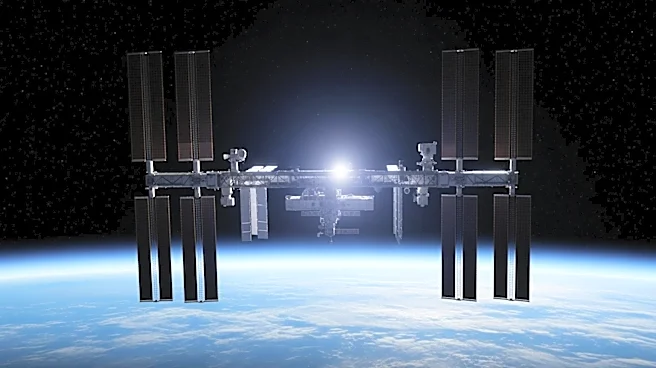
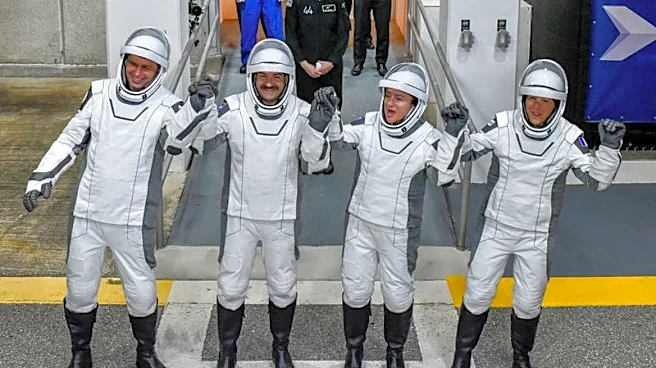
NASA temporarily moved part of the International Space Station (ISS) crew to the Crew Dragon spacecraft on Friday after detecting an increased air leak in the Russian segment of the station. The leak,
located in the 'Zvezda' service module, prompted a precautionary shelter order for five astronauts. The alert was lifted after two hours, allowing the crew to resume normal operations. The air leak rate had doubled compared to normal levels, raising concerns among mission leaders. Russian cosmonauts proposed using tools to access the suspected damage site, but NASA considered this approach risky. Roscosmos reported that one of the two detected leaks was quickly managed, while work on the second continued. Despite the incident, Roscosmos assured that there was no threat to the crew or the station's main systems.
Why It's Important?
The incident on the ISS underscores the challenges of maintaining a complex technical structure in space. Air leaks, while rare, pose significant risks to the safety of the crew and the integrity of the station. The event highlights the importance of international cooperation between NASA and Roscosmos in addressing technical issues and ensuring the safety of astronauts. The situation also brings attention to ongoing discussions about the future of the ISS, with a U.S. Congress bill considering extending its operation until 2032. This extension is seen as crucial for preparing new commercial orbital stations and maintaining the U.S. position in space exploration amid increasing global competition.
What's Next?
NASA and Roscosmos will continue to analyze data and discuss further actions to address the air leak. The incident may prompt a review of current maintenance protocols and emergency procedures on the ISS. As discussions about the station's future continue, the event serves as a reminder of the need for ongoing investment in space infrastructure and technology. The potential extension of the ISS's operation until 2032 will require careful planning and collaboration to ensure its continued functionality and safety.