





What's Happening?
The Centers for Disease Control and Prevention (CDC) and the World Health Organization (WHO) have issued an urgent alert regarding measles risk for adults in the current year. While often considered a childhood disease, adults lacking immunity from vaccination
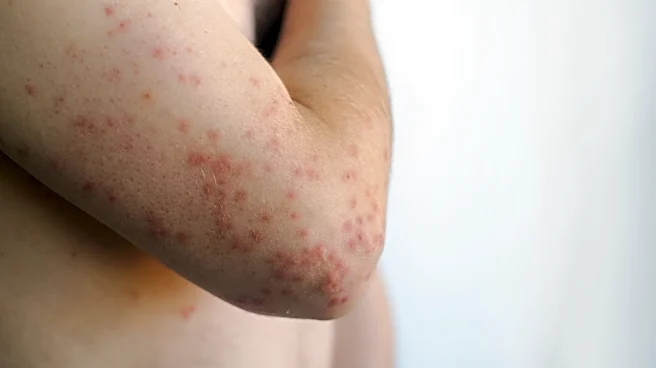
or prior infection are susceptible. Recent surveillance data indicates several adult groups are at higher risk, including unvaccinated adults, healthcare workers, college and university students, international travelers, immunocompromised individuals, and pregnant people. Infants under 12 months also rely on maternal antibodies for protection. Symptoms in adults can be more severe than in children, often presenting with high fever, cough, runny nose, red watery eyes, Koplik’s spots, and a characteristic rash. The alert highlights that recent outbreaks in undervaccinated communities, ongoing vaccine hesitancy, and the rebound of global travel post-pandemic are contributing factors to increased risk.
Why It's Important?
This alert is important for U.S. public health as it underscores the persistent threat of measles, a highly contagious viral illness, even in a country with generally high vaccination rates. Immunity gaps within the adult population, fueled by vaccine hesitancy and the resumption of international travel, create vulnerabilities for outbreaks. Healthcare workers face occupational exposure risks, while college students in close living quarters can facilitate rapid spread. The potential for severe complications in adults, including pneumonia, encephalitis, severe dehydration, and hospitalization, places a significant burden on the healthcare system. Furthermore, the risk to pregnant individuals and infants highlights broader societal implications, as maternal immunity directly impacts infant protection. The re-emergence of measles in pockets of the U.S. can disrupt daily life, lead to school closures, and strain public health resources, impacting economic productivity and community well-being.
What's Next?
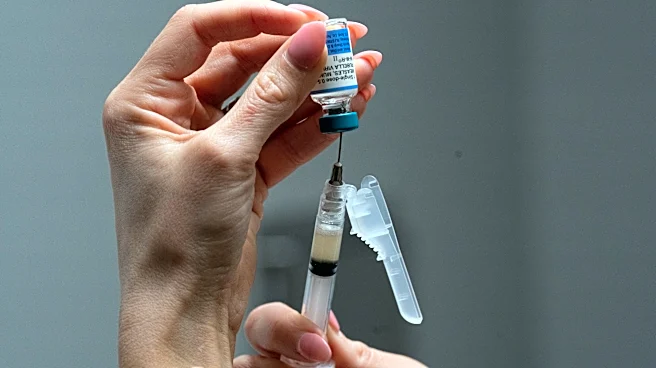
Public health authorities, including the CDC and local health departments, will likely continue to monitor and report on measles outbreaks. Individuals are advised to verify their vaccination status, with recommendations for adults born in 1957 or later to receive at least one MMR dose, and specific groups like healthcare workers and international travelers potentially needing two doses. The emphasis will be on promoting vaccination, practicing good hygiene, and isolating at the first sign of illness to prevent further transmission. Healthcare providers will play a crucial role in confirming measles cases, advising on isolation, and discussing treatment options. The ongoing challenge of vaccine hesitancy suggests that public health campaigns will need to continue addressing concerns about vaccine safety with scientific evidence to close immunity gaps and prevent future outbreaks.
Beyond the Headlines
Beyond the immediate health concerns, this measles alert touches upon deeper societal issues, particularly the impact of vaccine hesitancy on public health. Despite extensive scientific evidence supporting the safety and efficacy of the MMR vaccine, misinformation continues to create immunity gaps, challenging the concept of herd immunity. The interconnectedness of global travel means that local vaccination rates have international implications, as outbreaks in one region can quickly spread worldwide. This situation also highlights the ethical responsibility of individuals to contribute to community health through vaccination, especially to protect vulnerable populations who cannot be vaccinated or have compromised immune systems. The long-term shift could involve more stringent vaccination requirements for certain professions or international travel, and a renewed focus on public health education to combat vaccine misinformation and reinforce the importance of collective immunity.