






What's Happening?
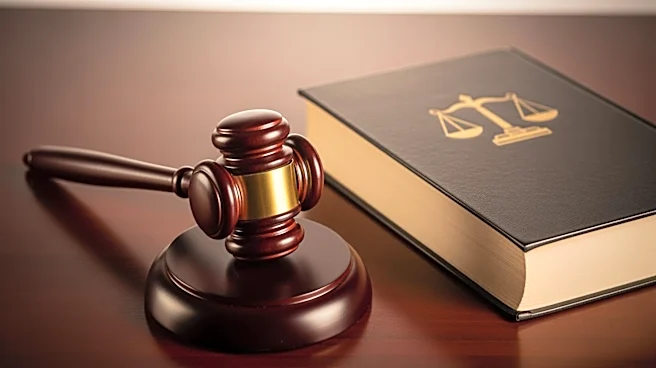
The U.S. Supreme Court has decided not to hear the case of Minor v. Florida, which challenges the state's practice of using six-person juries in serious criminal cases. This decision leaves in place a system that some argue undermines the Sixth Amendment's
guarantee of a trial by jury. The case has sparked debate over the constitutional implications of smaller juries, with critics arguing that it dilutes the protection against wrongful convictions and government overreach. The decision has raised concerns about the erosion of constitutional rights and the integrity of the justice system.
Why It's Important?
The Supreme Court's refusal to hear the case has significant implications for the criminal justice system and constitutional rights. Smaller juries may lead to less diverse representation and weaker safeguards against wrongful convictions. This decision could set a precedent for other states to adopt similar practices, potentially weakening the jury system as a check on government power. The case highlights ongoing debates about the balance between efficiency and constitutional protections in the justice system, with potential consequences for defendants' rights and public trust in legal institutions.
What's Next?
The decision may prompt legal and legislative efforts to address the issue of jury size and its impact on constitutional rights. Advocacy groups and legal experts may push for reforms to ensure that the jury system remains a robust safeguard against government overreach. The case could also influence future legal challenges and discussions about the role of juries in the justice system. Stakeholders, including civil rights organizations and legal scholars, will likely continue to advocate for stronger protections and accountability in the criminal justice system.