





What's Happening?
Israel is establishing buffer zones in Gaza, Syria, and Lebanon as part of a strategic shift following the attacks of October 7, 2023. This move indicates a semi-permanent state of war, according to Israeli military and defense officials. Despite US-Iran
ceasefire negotiations, Israel is expanding its territorial control, aiming to protect its borders from adversaries like Hezbollah and Hamas. The buffer zones are intended to prevent attacks by creating a security belt beyond Israel's borders. This approach reflects Israel's belief in a 'forever war' against regional threats, necessitating preemptive strikes and territorial control.
Why It's Important?
The creation of buffer zones by Israel has significant implications for regional stability and international relations. It underscores Israel's commitment to a defensive strategy that prioritizes territorial security over diplomatic resolutions. This approach may strain relations with neighboring countries and complicate US-Iran ceasefire efforts. The expansion of Israeli control could lead to increased displacement of Lebanese and Palestinian populations, exacerbating humanitarian issues. Additionally, the military focus required to maintain these zones could place a heavy burden on Israel's defense resources, impacting its long-term military strategy and regional influence.
What's Next?
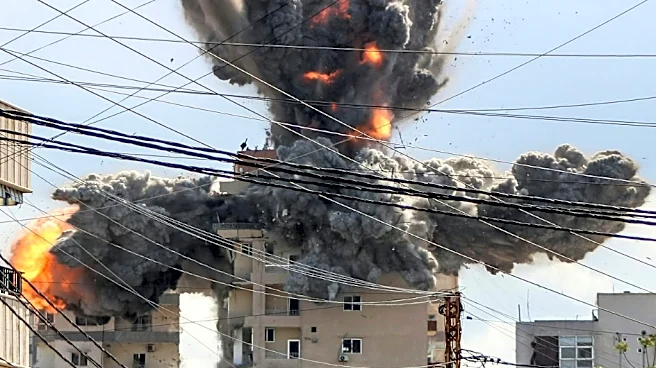
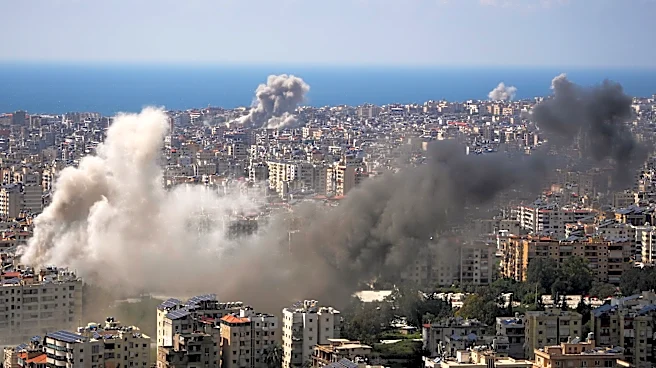
Israel's buffer zone strategy is likely to face international scrutiny and potential backlash from affected countries and humanitarian organizations. The ongoing negotiations between the US and Iran may be influenced by Israel's actions, potentially affecting the broader Middle East peace process. As Israel continues to fortify its borders, the likelihood of further military engagements remains high, with potential escalations in Lebanon and Gaza. The Israeli government may need to address legal and ethical concerns regarding the destruction of civilian property in these zones, as highlighted by international law experts.
Beyond the Headlines
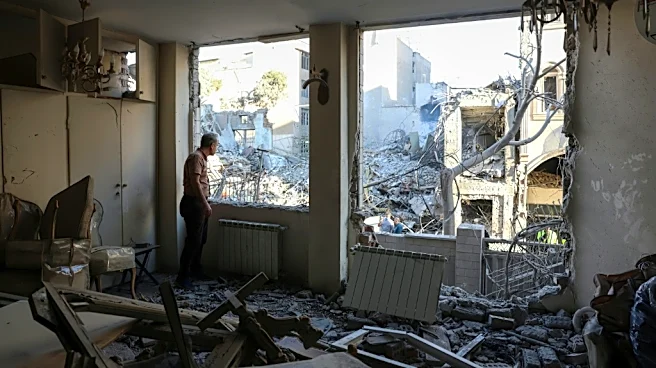
The establishment of buffer zones raises ethical and legal questions about the destruction of civilian property and the displacement of populations. These actions may be viewed as unlawful under international law, unless justified by military necessity. The strategy reflects a shift away from negotiated peace agreements, which have historically failed to secure lasting peace in the region. Public skepticism in Israel regarding peace with Palestinians further complicates prospects for diplomatic solutions. The long-term impact of this strategy may include increased militarization and regional instability, challenging efforts for peaceful coexistence.