





What's Happening?
Pennsylvania American Water has introduced new rates, approved by the Pennsylvania Public Utility Commission (PUC), to support a significant investment of $1.2 billion in system upgrades through mid-2027. These upgrades are aimed at modernizing and strengthening
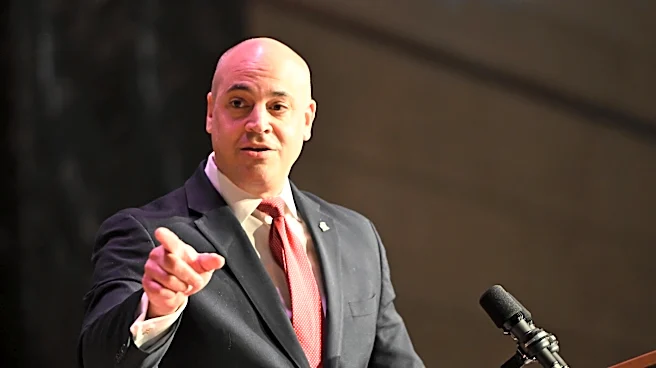
the company's water and wastewater systems across Pennsylvania. The planned infrastructure improvements include replacing 117 miles of aging water main, continuing efforts to eliminate lead service lines, and addressing emerging contaminants like PFAS in drinking water. Additionally, the new rates will fund critical wastewater system upgrades, such as replacing 32 miles of aging sewer main. Alongside these infrastructure investments, the company is enhancing its customer assistance programs. These enhancements include increasing monthly financial assistance from $25 to $40 for eligible customers, offering monthly arrearage forgiveness credits for consistent payments, and providing an opportunity for complete arrearage forgiveness over a 24-month period. Retroactive credits will also be applied to participating households once their in-program balance is paid in full. According to Pennsylvania American Water President Justin Ladner, these changes are designed to improve safe, clean, and reliable water and wastewater service while expanding support for customers facing financial challenges.
Why It's Important?
This rate adjustment by Pennsylvania American Water is crucial for ensuring the long-term reliability and safety of water and wastewater services for communities across Pennsylvania. The substantial investment in infrastructure addresses critical issues such as aging pipes, lead service lines, and emerging contaminants, which are significant public health and environmental concerns. By proactively upgrading these systems, the company aims to prevent service disruptions, improve water quality, and comply with evolving environmental regulations. The expansion of customer assistance programs is equally important, as it directly impacts the affordability of essential services for vulnerable households. Increasing monthly financial aid and introducing arrearage forgiveness mechanisms can help eligible customers manage their bills, reduce debt, and maintain access to vital water services, thereby mitigating the financial burden on low-income families. This initiative reflects a broader trend in the utility sector to balance necessary infrastructure investments with social responsibility, ensuring that essential services remain accessible and affordable for all segments of the population.
What's Next?
Customers of Pennsylvania American Water will begin to see the new rates reflected on their bills, with typical residential water customers experiencing an increase of approximately $3 per month. Customers served by sanitary wastewater systems will see an increase of about $14 per month, and those with combined stormwater and wastewater systems will see an increase of approximately $17 per month. The company encourages customers to visit pennsylvaniaamwater.com/rates and review upcoming bill communications for detailed information about their specific rate zone and estimated bill impacts. Eligible customers can also learn more about the expanded customer assistance programs, including how to determine eligibility and apply for support, through the company's website or in partnership with the Dollar Energy Fund. Pennsylvania American Water will continue its planned $1.2 billion investment in infrastructure projects through mid-2027, focusing on the replacement of aging mains, lead service line removal, and addressing contaminants. The effectiveness of the enhanced customer assistance programs will be monitored, with the goal of helping more customers reduce past-due balances and improve household affordability.
Beyond the Headlines
The implementation of new rates and expanded assistance programs by Pennsylvania American Water highlights the complex challenges faced by utility companies in maintaining and upgrading critical infrastructure while ensuring affordability for consumers. This situation underscores the ongoing debate about the balance between necessary capital expenditures for public services and the economic impact on households, particularly those with limited incomes. The focus on eliminating lead service lines and addressing contaminants like PFAS reflects a growing national awareness and regulatory push for cleaner, safer drinking water, which often comes with significant costs. Furthermore, the enhanced customer assistance programs could serve as a model for other utility providers grappling with similar issues, demonstrating a commitment to social equity alongside operational improvements. This development also touches upon the role of regulatory bodies like the PUC in approving rate changes, emphasizing their responsibility to scrutinize utility proposals to ensure they are justified and that consumer protections are in place. The long-term success of these initiatives will depend on effective communication with customers, efficient execution of infrastructure projects, and the sustained impact of the assistance programs on household financial stability.