







What's Happening?
Ohio's agri-tourism industry is experiencing significant growth, offering a diverse range of experiences for visitors. This sector combines agriculture with tourism, allowing individuals to engage with farm life, participate in activities such as picking
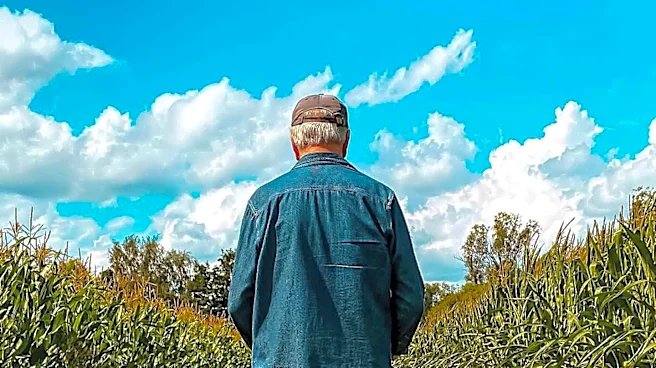
their own produce, and immerse themselves in rural settings. A notable example of this burgeoning industry is Erwin Farm's Corn Maze in Winchester, which provides a special attraction for the public. The Ohio Department of Agriculture highlights the vibrancy of this industry, particularly as harvest season approaches and cooler weather sets in, showcasing the state's farms and fields. Agri-tourism aims to create meaningful experiences centered around agriculture, nature, food, and rural life, moving beyond simply opening a farm to visitors to offer comprehensive leisure activities.
Why It's Important?
The expansion of agri-tourism in Ohio is important for several reasons. Economically, it provides a new revenue stream for farmers and rural communities, helping to diversify agricultural income and support local economies. By attracting visitors, these operations can generate income through direct sales of produce, entrance fees for attractions like corn mazes, and other related services. Socially, agri-tourism fosters a connection between consumers and the origins of their food, promoting agricultural literacy and an appreciation for rural lifestyles. It also offers recreational and educational opportunities for families and individuals, contributing to community well-being. The success of attractions like Erwin Farm's Corn Maze demonstrates the public's interest in authentic farm experiences, which can lead to increased support for local agriculture and sustainable practices.
What's Next?
The continued growth of Ohio's agri-tourism sector suggests a future with more diverse and innovative offerings. Farmers and rural entrepreneurs are likely to explore new ways to engage visitors, potentially expanding into areas such as farm-to-table dining experiences, educational workshops, and overnight farm stays. The Ohio Department of Agriculture may continue to promote these initiatives through guides and resources, encouraging more farms to participate and develop their agri-tourism potential. As consumer interest in local food systems and authentic experiences grows, the industry is poised for further development, potentially leading to increased investment in rural infrastructure and marketing efforts to attract a broader audience. This could also involve collaborations between agricultural producers and local tourism boards to create regional agri-tourism trails or events.
Beyond the Headlines
Beyond the immediate economic benefits, the rise of agri-tourism in Ohio reflects a broader societal trend towards seeking authentic, experiential travel and a desire to reconnect with nature and food sources. This movement can have profound cultural implications, helping to preserve rural heritage and traditional farming practices that might otherwise be lost. It also raises ethical considerations regarding the balance between commercialization and maintaining the integrity of agricultural operations. The long-term impact could include a shift in consumer behavior, with a greater emphasis on supporting local, sustainable agriculture. Furthermore, agri-tourism can serve as a platform for environmental education, teaching visitors about conservation, biodiversity, and the challenges faced by modern farming, thereby fostering a more informed and engaged citizenry.