






What's Happening?
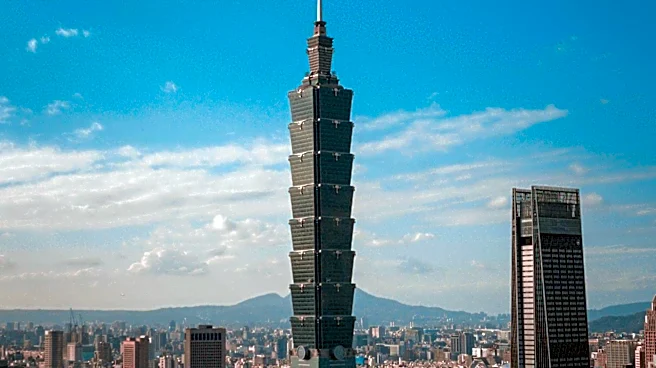
Taiwan's Foreign Minister, Lin Chia-lung, arrived in Belize for his fifth visit, aiming to strengthen diplomatic ties and economic cooperation between the two nations. Belize is one of only 12 countries that maintain full diplomatic relations with Taiwan.
During his visit, Minister Lin is scheduled to meet with Governor-General Froyla Tzalam, Prime Minister John Briceño, and Minister of Foreign Affairs and Foreign Trade Francis Fonseca. Key activities include signing a joint communiqué and a diplomatic-training agreement, as well as touring Taiwan-funded projects such as a hospital in San Pedro and a 50-home social housing scheme. A business delegation accompanying Minister Lin will hold business-matching meetings focusing on green energy, smart transport, artificial intelligence, space technology, biotechnology, healthcare, tourism, and finance. Prime Minister Briceño has publicly affirmed Belize's support for Taiwan, advocating for its meaningful participation in the United Nations system at the recent UN General Assembly.
Why It's Important?
This visit underscores Taiwan's ongoing efforts to solidify its diplomatic relationships with its remaining allies amidst continuous pressure from China to isolate it internationally. For Belize, Taiwan represents a significant development partner, providing financial aid, infrastructure projects, and support in various sectors like farming and climate resilience. The US$100 million loan from Taiwan's Export-Import Bank, recently approved by Belize's parliament, highlights the economic benefits of this alliance. The visit also serves to counter China's strategy of drawing away Taiwan's allies, as seen with Nicaragua and Honduras. The U.S., while recognizing Beijing, has also praised Belize's relationship with Taiwan, indicating a nuanced approach to regional stability. These diplomatic engagements are crucial for Taiwan to maintain its international presence and for its allies to secure development assistance and strengthen their economies.
What's Next?
Minister Lin will proceed to Guatemala, Taiwan's other Central American ally, to further strengthen diplomatic ties and commemorate 92 years of relations. The joint communiqué and diplomatic-training agreement between Belize and Taiwan are expected to be signed during the visit, with details to be released. While no new aid amounts were announced during the initial phase of the visit, the existing US$100 million loan will continue to be disbursed for Belizean development projects. The business delegation's meetings are expected to foster new economic partnerships and investments. China will likely continue to monitor these diplomatic activities and may respond with further diplomatic pressure or economic incentives to sway Taiwan's remaining allies. The long-term stability of these alliances will depend on the continued benefits provided by Taiwan and the geopolitical landscape.
Beyond the Headlines
The diplomatic relationship between Taiwan and countries like Belize is a microcosm of the broader geopolitical struggle between Taiwan and China. For Taiwan, these alliances are vital for its international legitimacy and to counter Beijing's 'One-China' policy. For Belize, the partnership offers tangible development aid and economic opportunities that might not be readily available from other sources. This dynamic raises questions about the nature of international aid and its role in geopolitical competition. The U.S.'s tacit approval of Belize's ties with Taiwan, despite its own recognition of Beijing, highlights the complex and often contradictory nature of international diplomacy, where strategic interests can override formal diplomatic protocols. The visit also sheds light on the challenges faced by smaller nations in navigating the demands of major global powers, often having to balance economic needs with political alignments. The 'Diplomatic Allies Prosperity Project' reflects Taiwan's strategy of leveraging economic cooperation to secure its diplomatic space.