








What's Happening?
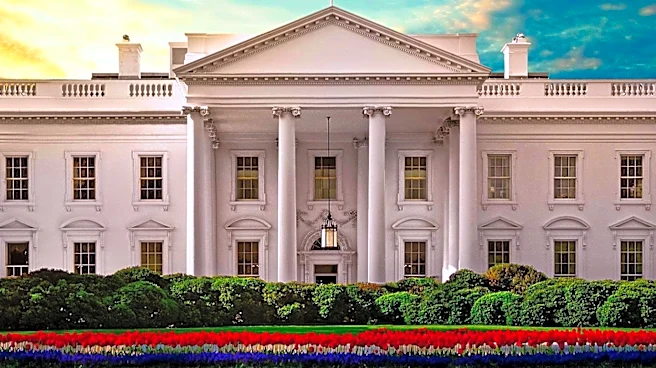
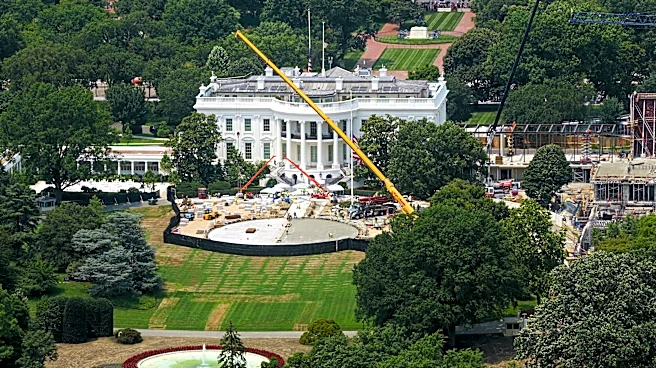
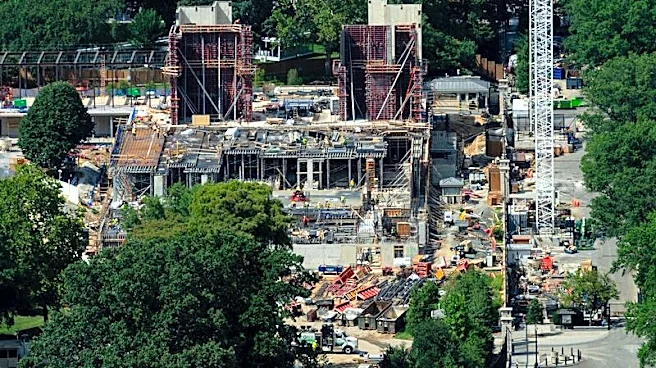
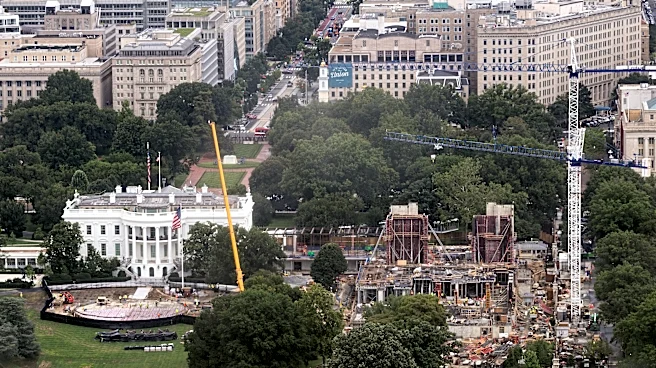
A federal appeals court in Washington, D.C. has ruled that President Donald Trump must halt construction on a new 90,000-square-foot ballroom at the White House, stating that such changes require congressional approval. The court's decision, which can
be appealed to the Supreme Court, highlights the lack of constitutionally assigned authority for the President over the property. The ruling follows a lawsuit by the National Trust for Historic Preservation, which argued that the construction would cause irreversible harm to the historic site. President Trump plans to appeal the decision, citing national security concerns.
Why It's Important?
The court's decision underscores the constitutional checks and balances on presidential authority, particularly regarding changes to national landmarks like the White House. The ruling could set a precedent for future administrations regarding the extent of executive power in altering historic sites. The case also highlights the ongoing tension between historic preservation and modern security needs. If the Supreme Court upholds the ruling, it could impact future construction projects at the White House and similar federal properties, requiring more rigorous oversight and approval processes.
What's Next?
President Trump intends to appeal the decision to the Supreme Court, which could lead to a significant legal battle over executive authority and historic preservation. The outcome of this appeal will be closely watched, as it could influence future presidential projects and the balance of power between the executive branch and Congress. The National Trust for Historic Preservation and other stakeholders will likely continue to advocate for the protection of historic sites, potentially leading to further legal and legislative actions.