





What's Happening?
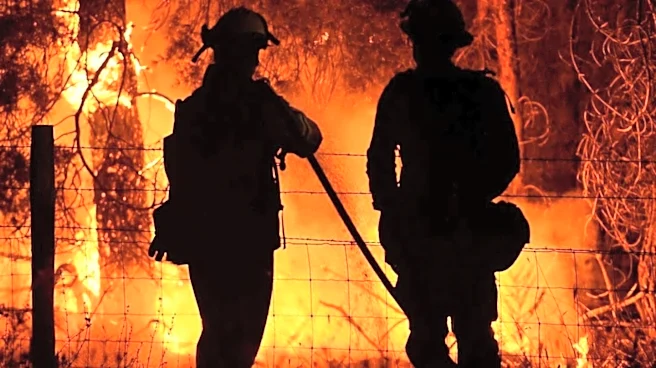
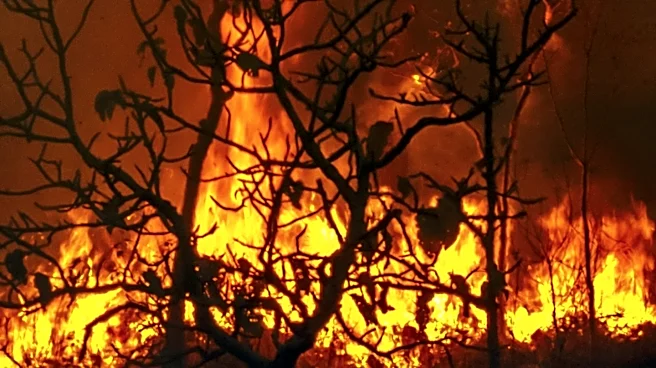
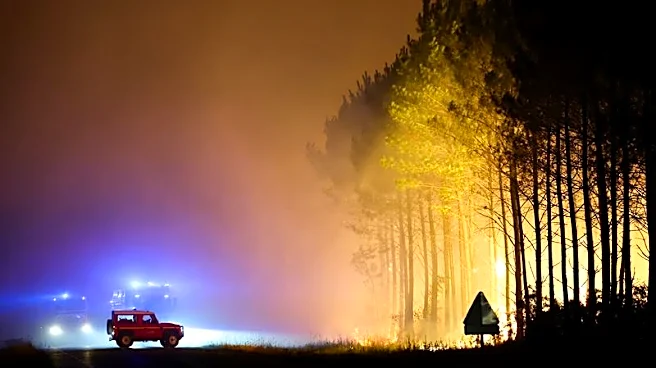
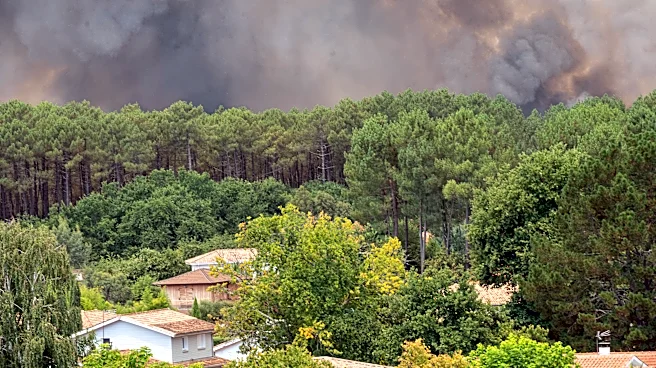
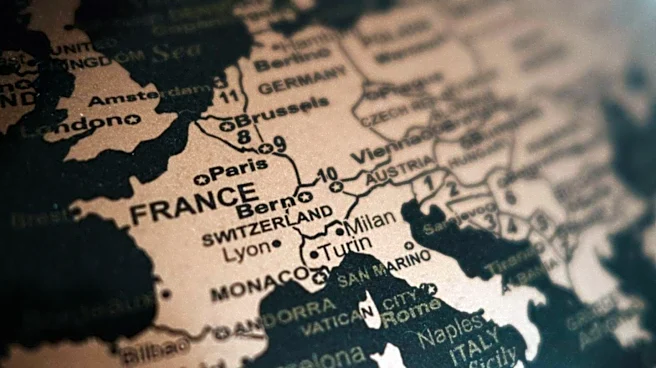
Wildfires in France and Spain have forced the evacuation of over 267,000 people as the fires continue to rage across the region. The blazes have been fueled by tinderbox conditions resulting from successive heatwaves and droughts, which scientists attribute
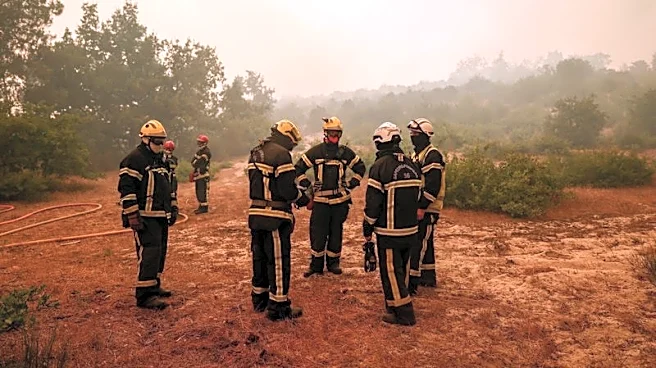
to climate change. In France, nearly 242,000 acres have been burned, with the French Interior Minister describing it as a historic record. Emergency shelters have been set up for evacuees, and firefighting efforts are ongoing with international assistance. The situation remains critical as authorities work to control the fires and protect affected communities.
Why It's Important?
The wildfires highlight the severe impact of climate change on natural disasters, with increasing frequency and intensity of such events. The displacement of hundreds of thousands of people underscores the social and economic challenges posed by climate-related disasters. The fires also threaten biodiversity and natural habitats, with long-term ecological consequences. The situation calls for urgent action to address climate change through policy measures, international cooperation, and sustainable practices. The events serve as a wake-up call for governments and societies to prioritize climate resilience and adaptation strategies.
What's Next?
Authorities in France and Spain will continue to focus on firefighting efforts and ensuring the safety of affected populations. The deployment of additional resources and international assistance will be crucial in managing the situation. In the long term, governments may need to implement more robust climate adaptation and mitigation strategies to prevent similar disasters. The events may also prompt discussions on international climate agreements and the need for coordinated global efforts to combat climate change.