
What's Happening?
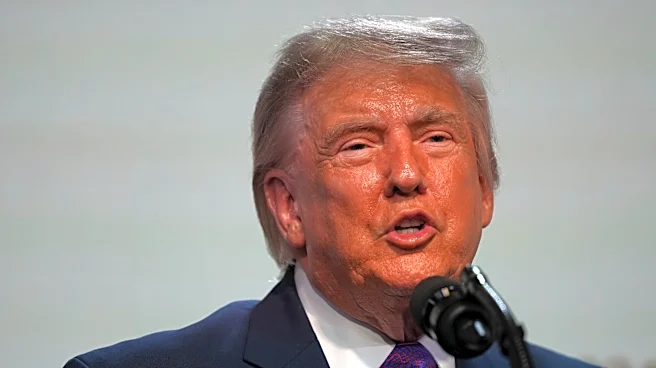
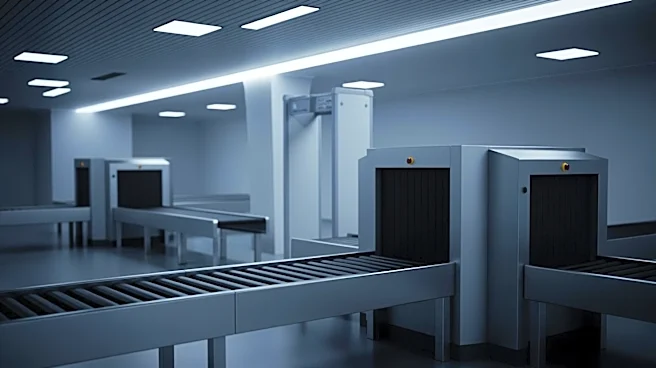
A group representing major U.S. airlines is opposing a proposal from President Trump that would require smaller airports to use private security screeners instead of the Transportation Security Administration
(TSA). According to written testimony seen by Reuters, Airlines for America CEO Chris Sununu is set to address a U.S. House of Representatives committee, emphasizing that private security should remain an option rather than a mandatory program. President Trump proposed cutting over 9,400 TSA jobs and more than $1.5 billion from the agency's budget, which is part of a broader move towards privatizing the TSA. The White House claims that this change would reduce the TSA payroll by over 4,500 jobs, with additional cuts aimed at improving efficiency and eliminating redundancies. The proposal follows significant staffing challenges faced by the TSA due to government funding disruptions.
Why It's Important?
The proposal to shift to private security at small airports has significant implications for the U.S. aviation industry and national security. The TSA, established after the September 11, 2001 attacks, plays a crucial role in maintaining airport security. Privatizing these functions could lead to job losses and potentially impact the safety and efficiency of airport operations. The American Federation of Government Employees, representing TSA officers, argues that privatization could compromise air travel safety. The proposal also reflects broader political and economic debates about the role of government versus private sector in public services. The outcome of this proposal could set a precedent for future privatization efforts within federal agencies.
What's Next?
The proposal is likely to face scrutiny and debate in Congress, with stakeholders from the aviation industry, government, and labor unions weighing in. Airlines for America and other industry groups may continue to lobby against mandatory privatization, advocating for TSA modernization instead. The nomination of David Cummins to head the TSA could influence the agency's direction, depending on his stance on privatization. The decision will also be influenced by broader political dynamics, including the administration's priorities and congressional support. The outcome could affect future policy decisions regarding federal agency operations and privatization.