






What's Happening?
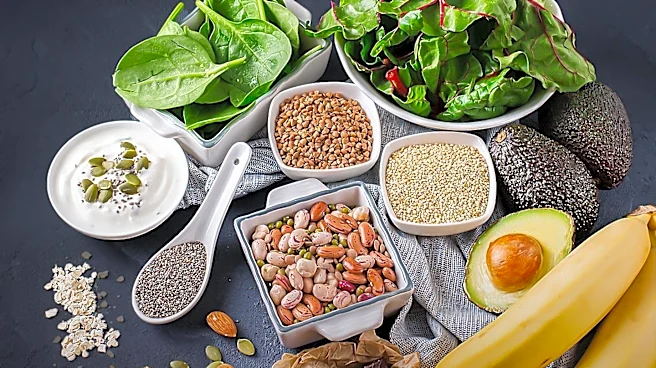
Gut health can be maintained and improved through various dietary and lifestyle adjustments. Focusing on a whole-food-rich diet, increasing fiber intake, and consuming prebiotics and probiotics are key recommendations. Probiotics, such as Lactobacillus
and Bifidobacterium, are beneficial bacteria that aid in food breakdown, nutrient absorption, and balancing the gut microbiome. These bacteria also contribute to improved digestion, reduced gas, bloating, and stomach cramps, and support immune function. The gut microbiome, a complex ecosystem of trillions of bacteria, fungi, and viruses, plays a crucial role in the immune system, mood regulation, and energy metabolism. Additionally, managing stress and incorporating whole grains, fermented foods, colorful fruits, and healthy fats into breakfast routines can further support gut health. The gut-brain axis, involving the vagus nerve, facilitates communication between the digestive system and the central nervous system, highlighting the interconnectedness of physical and mental well-being.
Why It's Important?
The emphasis on gut health is significant due to its far-reaching impact on overall physical and mental well-being in the U.S. The gut microbiome's influence on the immune system, mood, and energy metabolism means that maintaining a healthy gut can contribute to a stronger defense against illness, improved mental clarity, and sustained energy levels. The connection between gut health and mental health, particularly the production of serotonin in the gastrointestinal tract, underscores the importance of these dietary and lifestyle choices for addressing conditions like anxiety and depression. For individuals and healthcare providers, understanding these links can lead to more holistic approaches to health management, potentially reducing reliance on pharmaceuticals for certain conditions and promoting preventive care. The widespread availability of processed foods and overuse of antibiotics in the U.S. make these recommendations particularly relevant for public health, as they offer actionable strategies to counteract common modern health challenges.
What's Next?
Moving forward, individuals are encouraged to adopt these dietary and lifestyle changes to proactively manage their gut health. This includes making conscious choices about food intake, such as prioritizing whole foods and increasing fiber, and considering the inclusion of prebiotics and probiotics. Healthcare professionals may increasingly integrate gut health considerations into patient care plans, especially for those experiencing digestive issues or mental health concerns. Further research into the gut-brain axis and the specific roles of different microbial strains will likely continue to refine recommendations and potentially lead to more personalized interventions. The public health sector may also see a greater focus on educational campaigns promoting gut-healthy habits to improve overall population health and reduce the burden of related chronic conditions.
Beyond the Headlines
The growing understanding of gut health extends beyond immediate physical benefits, touching upon deeper implications for personalized medicine and the perception of health. The concept of a unique gut microbiome for each individual suggests a future where health interventions are tailored to an individual's specific microbial composition, moving away from one-size-fits-all approaches. This also highlights the ethical considerations surrounding antibiotic use, emphasizing the need for judicious prescription to protect beneficial gut bacteria and combat antibiotic resistance. Culturally, the increased awareness of the gut-brain connection challenges traditional views that separate physical and mental health, fostering a more integrated understanding of the human body. This shift could lead to a greater appreciation for holistic wellness practices and a re-evaluation of how diet and lifestyle are viewed in the context of comprehensive health.