
What's Happening?
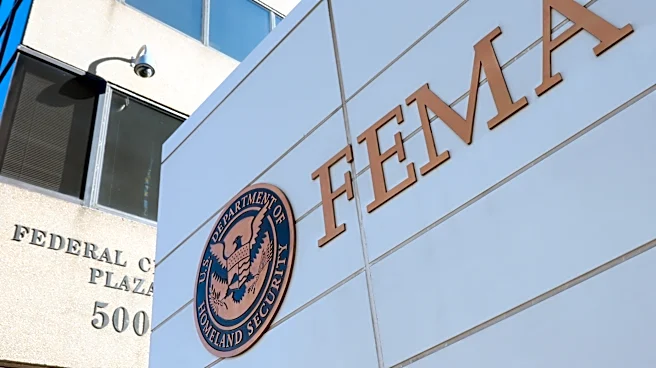
The Federal Emergency Management Agency (FEMA), in coordination with the Federal Communications Commission (FCC), is scheduled to conduct a nationwide test of the Emergency Alert System (EAS) on Tuesday.
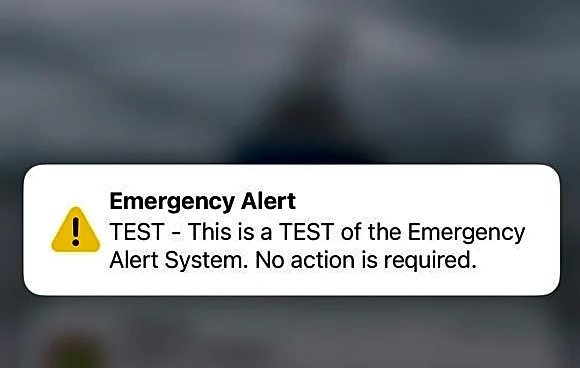
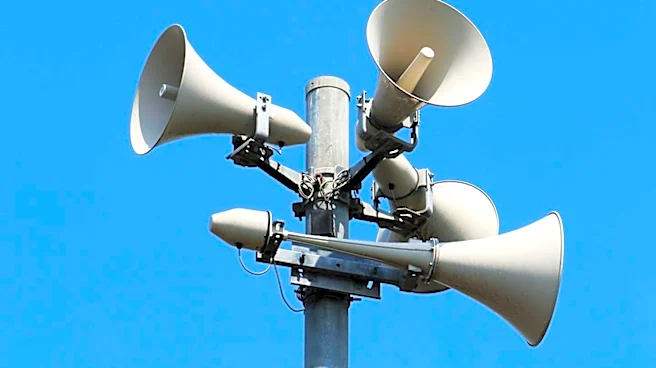
This test is a legal requirement for FEMA, mandated to occur once every three years, to ensure the public alert and warning system is functional. At approximately 2:20 p.m. ET, radio and television broadcasters, cable systems, satellite radio and television providers, and wireline video providers across the nation will temporarily interrupt their regular programming to relay FEMA's test message. The message will explicitly state that it is a test, and normal programming will resume once the test concludes. FEMA Administrator Cameron Hamilton emphasized the critical nature of every second during an emergency, stating that these alert systems are designed to deliver crucial information swiftly to ensure public safety. Operational tests like this one are vital for identifying and resolving any potential issues before a real emergency arises.
Why It's Important?
This nationwide EAS test is crucial for national preparedness and public safety. It serves as a vital exercise to ensure that the infrastructure designed to alert the American public during national emergencies is fully operational and effective. The system allows the President to communicate directly with the American people or disseminate critical information during a crisis. By conducting these tests, FEMA can identify any technical glitches, coverage gaps, or operational inefficiencies that might hinder the system's performance when it is most needed. A robust and reliable emergency alert system is fundamental for coordinating responses to natural disasters, national security threats, or other widespread emergencies, potentially saving lives and mitigating damage. The test also serves as a reminder to the public about the existence and purpose of these alert systems, reinforcing the importance of heeding official warnings during actual emergencies.
What's Next?
Following the nationwide EAS test, FEMA and the FCC will likely analyze the results to assess the system's performance. This analysis will involve gathering feedback from broadcasters and providers, as well as monitoring public reception and any reported issues. Any identified deficiencies or areas for improvement will be addressed to enhance the reliability and reach of the emergency alert system. This could lead to technical adjustments, procedural updates, or further training for stakeholders involved in disseminating alerts. The data collected from this test will inform future strategies for public warning systems, ensuring that the United States maintains a resilient and effective communication network for national emergencies. The next legally mandated nationwide test will occur in approximately three years, continuing the cycle of evaluation and improvement.
Beyond the Headlines
The periodic testing of the Emergency Alert System highlights a broader commitment to national resilience and disaster preparedness. Beyond the technical aspects, these tests underscore the complex interplay between government agencies, private broadcasters, and the public in maintaining a functional emergency communication infrastructure. It touches upon the ethical responsibility of authorities to inform and protect citizens during crises, and the legal frameworks that mandate such systems. The evolution of emergency alert technologies, from traditional radio and television broadcasts to modern wireless emergency alerts (WEA), reflects ongoing efforts to adapt to changing media consumption habits and technological advancements. These tests also implicitly address the psychological aspect of public alerts, aiming to strike a balance between effective communication and avoiding alarm fatigue, ensuring that when a real alert is issued, it commands the necessary attention and response from the public.