


What's Happening?
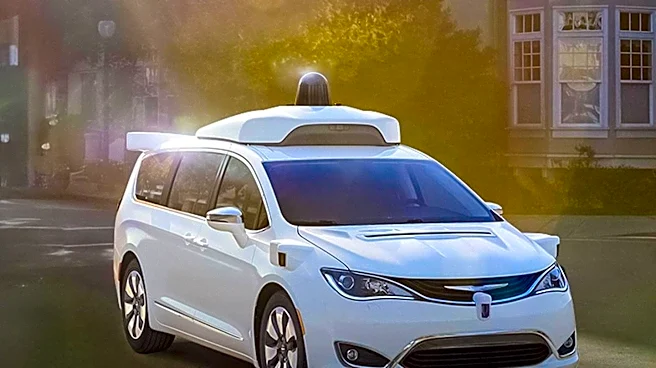
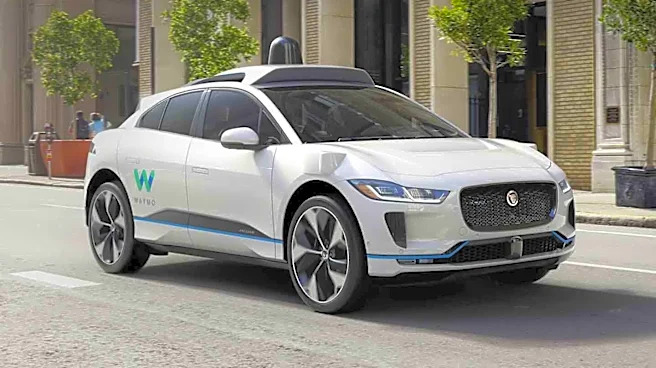
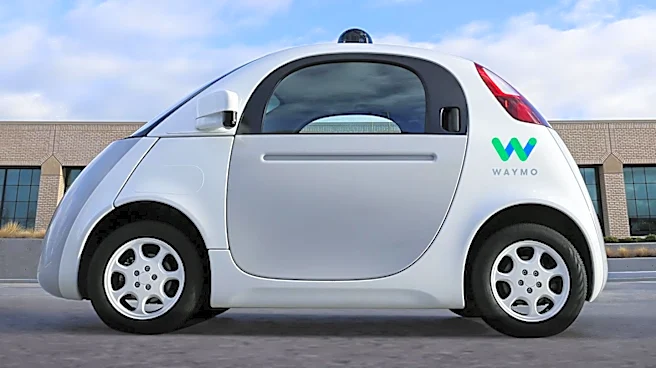
In Miami Beach, Florida, two Waymo self-driving cars were involved in a standoff at an intersection, unable to navigate past each other. The incident highlights ongoing challenges in autonomous vehicle technology, particularly in complex urban environments.
Waymo, a leader in self-driving technology, has been testing its vehicles in various cities to improve their navigation and decision-making capabilities. However, situations like this standoff demonstrate the difficulties these vehicles face in real-world scenarios, where unexpected obstacles and interactions with other vehicles can occur.
Why It's Important?
The standoff between the Waymo vehicles underscores the current limitations of self-driving technology, which is still in the developmental phase. As companies like Waymo continue to refine their systems, incidents like this highlight the need for further advancements in artificial intelligence and machine learning to handle complex driving situations. The success of autonomous vehicles has significant implications for the future of transportation, potentially reducing traffic accidents and improving mobility for those unable to drive. However, these benefits can only be realized if the technology can reliably handle all driving conditions.
What's Next?
Waymo and other companies in the autonomous vehicle industry are likely to use incidents like this as learning opportunities to improve their systems. This may involve updating software algorithms and increasing testing in diverse environments to better prepare vehicles for real-world challenges. Regulatory bodies and city planners will also play a role in shaping the future of autonomous vehicles, potentially implementing new guidelines and infrastructure changes to accommodate these technologies. Public perception and trust in self-driving cars will be crucial as companies work towards widespread adoption.