




What's Happening?
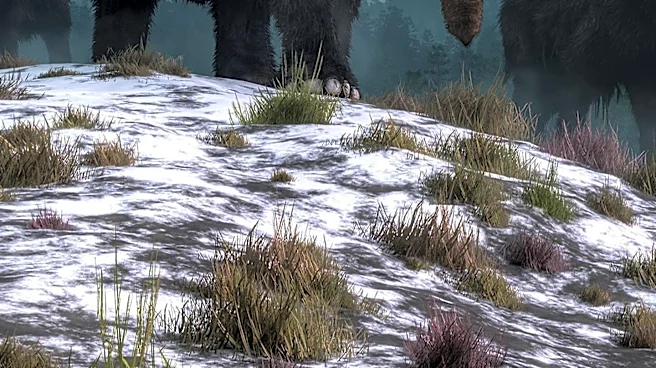
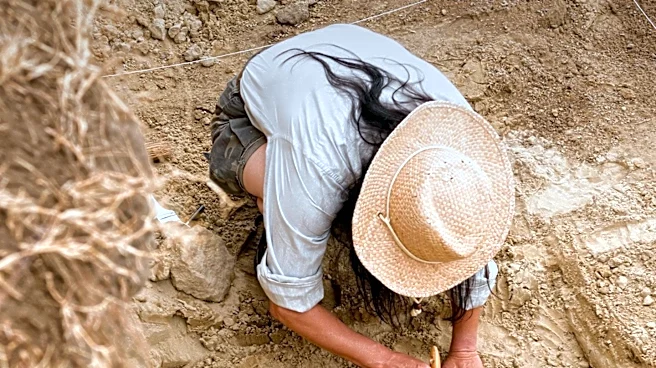
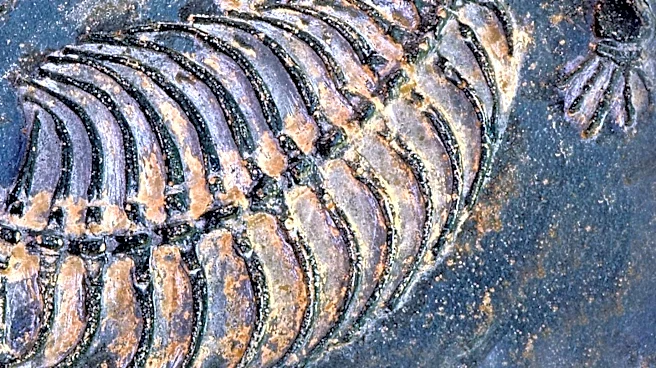
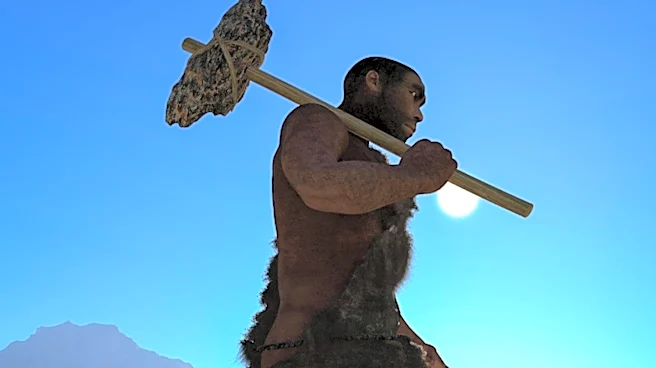
Recent research has uncovered that prehistoric humans in Eurasia and North America selectively hunted female woolly mammoths. The study, published in Current Biology, analyzed genetic data from mammoth bones found at 11 sites across Europe and Siberia.
It revealed that 70% of the mammoths hunted were female, compared to a natural setting where 66% of the remains were male. Researchers suggest that female mammoths, which likely lived in matriarchal herds similar to modern elephants, were easier to locate due to their predictable movement patterns. The study also highlights the use of terrain by ancient humans to trap these animals, using natural features like cliffs and bogs.
Why It's Important?
This discovery provides insight into the hunting strategies of prehistoric humans and their impact on mammoth populations. Understanding these patterns helps clarify the role humans played in the extinction of mammoths, which vanished from mainland North America and Eurasia around 10,000 to 12,000 years ago. The findings also contribute to broader discussions on human-animal interactions and the ecological consequences of human hunting practices. This research could inform current conservation efforts by highlighting the long-term impacts of selective hunting on species survival.