







What's Happening?
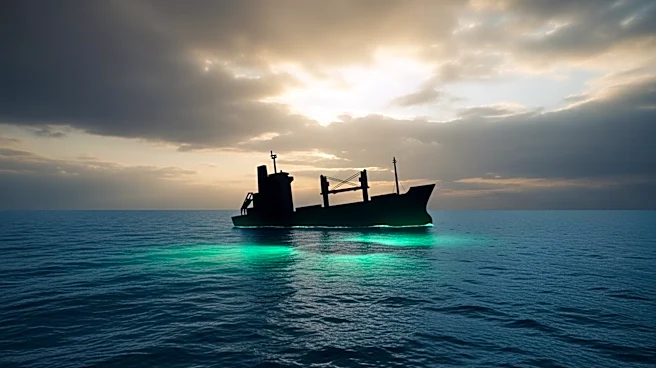
A Russian cargo ship, Ursa Major, sank off the coast of Spain in December 2024 under mysterious circumstances. The ship, reportedly carrying nuclear reactor components intended for North Korea, was involved in a series of explosions before sinking. The vessel
had left St. Petersburg and was en route to Vladivostok, with its cargo officially listed as cranes and manhole covers. However, investigations suggest the ship was transporting sensitive military equipment, including nuclear reactors for submarine propulsion. The incident has drawn international attention, with U.S. aircraft conducting flyovers to detect radioactive material and Russian intelligence ships monitoring the wreckage.
Why It's Important?
The sinking of the Ursa Major highlights potential clandestine military cooperation between Russia and North Korea, raising significant geopolitical concerns. If confirmed, the transfer of nuclear technology to North Korea could escalate tensions in the region, posing a direct threat to the United States and its allies. The incident underscores the complexities of international arms control and the challenges in monitoring and preventing the proliferation of nuclear materials. The involvement of U.S. and NATO forces in monitoring the situation indicates the high stakes and potential for diplomatic fallout.
What's Next?
Spanish authorities are investigating the cause of the explosions and the true nature of the ship's cargo. The possibility of a targeted strike by Western forces to prevent the cargo from reaching North Korea is being explored. The incident may lead to increased scrutiny of Russian maritime activities and further strain relations between Russia and Western nations. The outcome of the investigation could influence international policy on arms control and nuclear non-proliferation.