






What's Happening?
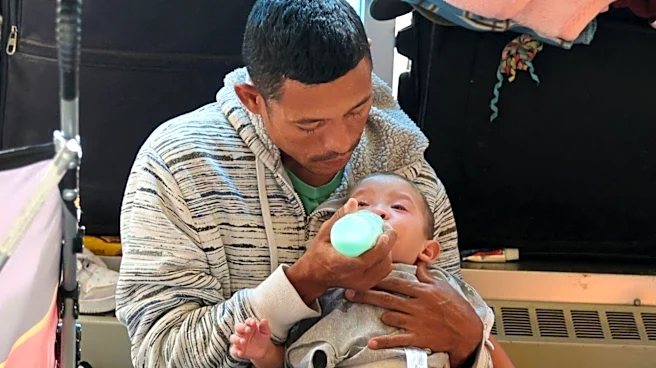
In Kupang City, Indonesia, an initiative supported by UNICEF is encouraging fathers to take a more active role in their children's immunization and health. This program, part of the 'Fathers’ Engagement in Immunization' campaign, began in 2024 and is implemented
by the East Nusa Tenggara (NTT) Provincial Health Office, the community-based organization Pemberdayaan dan Kesejahteraan Keluarga (PKK) / Family Empowerment and Welfare, and religious organizations. The campaign addresses traditional gender roles where childcare and health decisions were primarily considered 'women's work.' Fathers like Daniel Atawolo, who previously left immunization responsibilities to his wife, are now actively participating after attending information sessions. These sessions educate fathers on immunization schedules, the importance of timely vaccines, and the shared responsibility of caregiving. The goal is to integrate fathers' involvement into daily life, ensuring children grow up healthier.
Why It's Important?
This initiative is important because it directly tackles gender barriers that have historically prevented families from fully accessing immunization services. By engaging fathers, the program aims to improve overall child health outcomes and increase vaccination coverage. Traditional societal norms often place the burden of childcare and health decisions solely on mothers, which can create logistical and informational gaps. When fathers become informed and involved, it can lead to more consistent adherence to vaccination schedules and better health-seeking behaviors for children. This shift in responsibility not only benefits the children's health but also promotes gender equality within families and communities, challenging long-standing perceptions about parental roles. The model, if successful, could be expanded nationally, leading to widespread improvements in public health and family dynamics.
What's Next?
The 'Fathers’ Engagement in Immunization' campaign plans to strengthen its impact by training health workers to recognize and overcome gender barriers in accessing immunization services. This training will be integrated into health training institutions, universities, and government learning platforms, aiming for a national spread of the model. Posyandu (integrated health posts) will also be supported to develop local strategies that make immunization more inclusive and accessible. The ongoing efforts will focus on ensuring that fathers' involvement in childcare and immunization becomes a routine part of family life. The success of this program in Kupang City could serve as a blueprint for other regions facing similar challenges in vaccination coverage and gender-related health disparities.
Beyond the Headlines
The deeper implications of this initiative extend beyond immediate health outcomes. By actively involving fathers in childcare and health decisions, the program is fostering a cultural shift towards more equitable parenting roles. This can lead to stronger family units, improved communication between partners, and a more supportive environment for children's development. Ethically, it promotes the idea of shared responsibility and challenges ingrained gender stereotypes that limit both men and women. Long-term, this could contribute to a more progressive society where both parents are equally empowered and expected to participate in all aspects of child-rearing, potentially influencing future generations' perceptions of gender roles and family dynamics. It also highlights the critical role of community and religious leaders in facilitating such social changes.