






What's Happening?
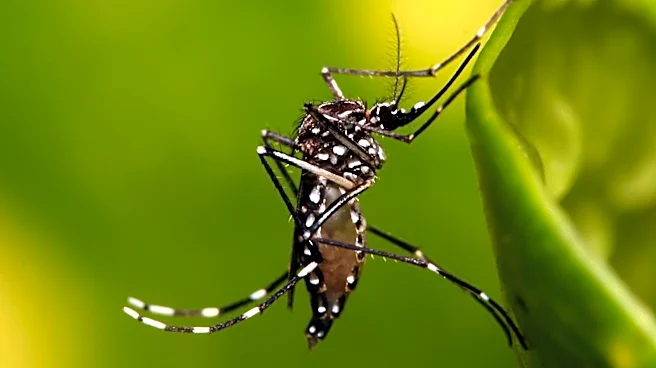
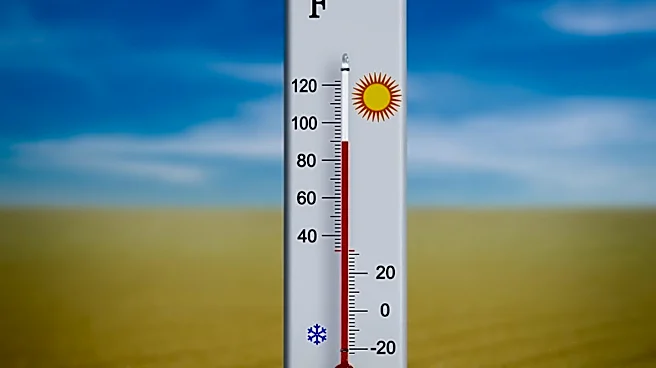
Mosquito populations have decreased by 50% in some western and Midwest U.S. states due to historic drought conditions. Despite the decline, the West Nile virus caseload has reached a 22-year high, with significant outbreaks in states like Arizona and Colorado.
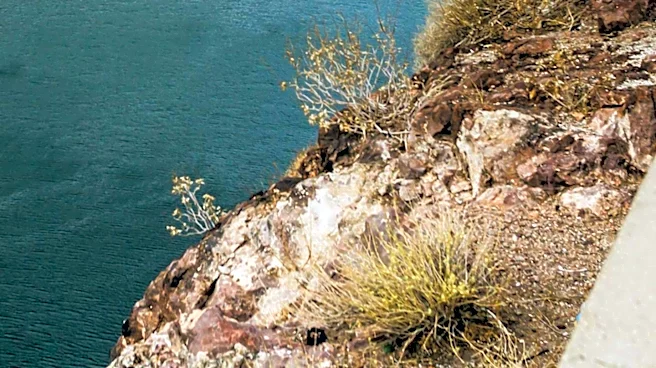
The virus, primarily spread by mosquitoes, poses severe health risks, including fever, paralysis, and brain inflammation. Experts are concerned that drought conditions concentrate mosquitoes and birds around shrinking water sources, increasing the risk of virus transmission.
Why It's Important?
The paradox of declining mosquito numbers and rising West Nile virus cases underscores the complex relationship between climate conditions and disease transmission. This situation highlights the need for effective public health strategies to manage mosquito-borne diseases, especially as climate change continues to alter environmental conditions. The increase in West Nile cases poses a significant public health challenge, requiring coordinated efforts to monitor and control mosquito populations while addressing the broader impacts of climate change.
What's Next?
Scientists are exploring biohacking techniques to reduce mosquito populations by altering their reproductive abilities. Community initiatives are also underway to trap mosquitoes and treat water sources with insecticides. These efforts aim to mitigate the spread of West Nile virus and other mosquito-borne diseases. Continued research and public health interventions will be crucial in adapting to changing environmental conditions and protecting public health.