




What's Happening?
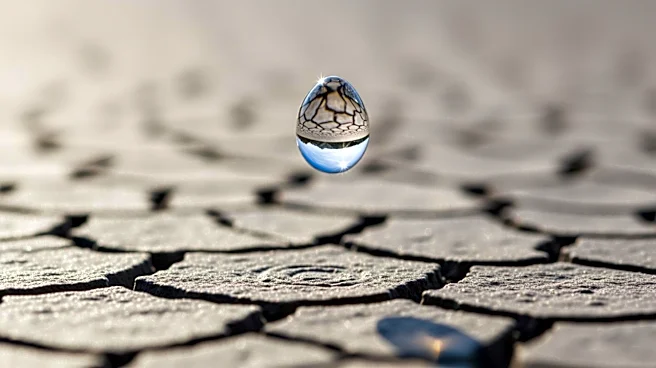
A recent study conducted by NASA and Brazilian research institutions has revealed significant groundwater depletion in Brazil, particularly affecting its agricultural regions. The research, published in Science Advances, utilized data from the GRACE and GRACE Follow-On
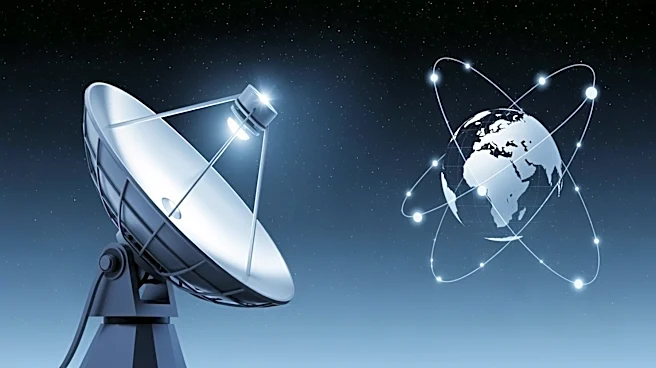
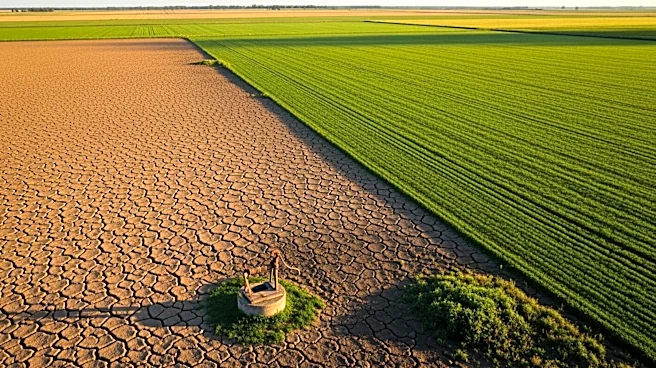
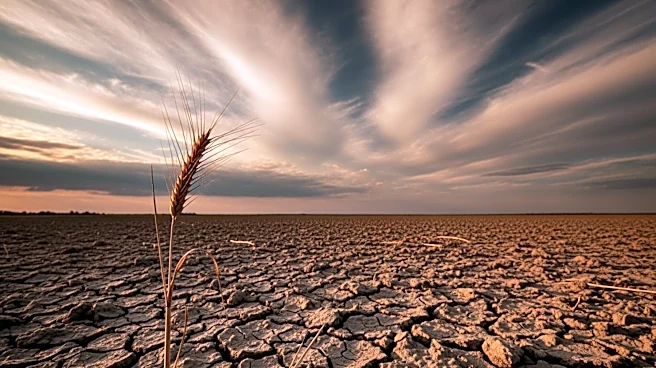
satellite missions, which track changes in Earth's water by measuring subtle shifts in gravity. The study found that factors such as drought, deforestation, agriculture, mining, and increased groundwater extraction are straining aquifers that supply 55% of Brazil's water. The depletion is most severe in central and eastern Brazil, where aquifers are not being replenished annually due to insufficient rainfall. This situation mirrors groundwater loss patterns seen in other countries with heavily used aquifers, such as the United States and India.
Why It's Important?
The findings of this study are significant as they highlight the growing water scarcity issues in Brazil, a major global agricultural producer. The depletion of aquifers could have severe implications for Brazil's agricultural output, potentially affecting global food supply chains. Additionally, the study underscores the urgent need for sustainable water management practices to prevent further depletion and ensure water security. The situation also serves as a warning to other countries facing similar challenges, emphasizing the importance of balancing agricultural expansion with environmental conservation.
What's Next?
The study's results may prompt Brazilian authorities to implement stricter water management policies and conservation efforts to address the groundwater depletion issue. There could be increased collaboration between government agencies, environmental organizations, and the agricultural sector to develop sustainable practices that protect water resources. Additionally, the findings may encourage further research into innovative solutions for water conservation and aquifer replenishment, potentially involving international cooperation.