







What's Happening?
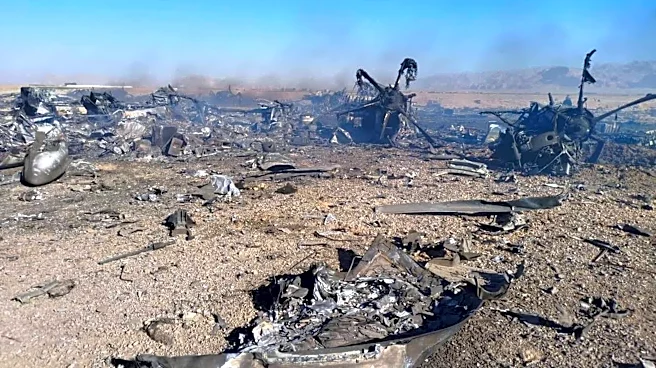
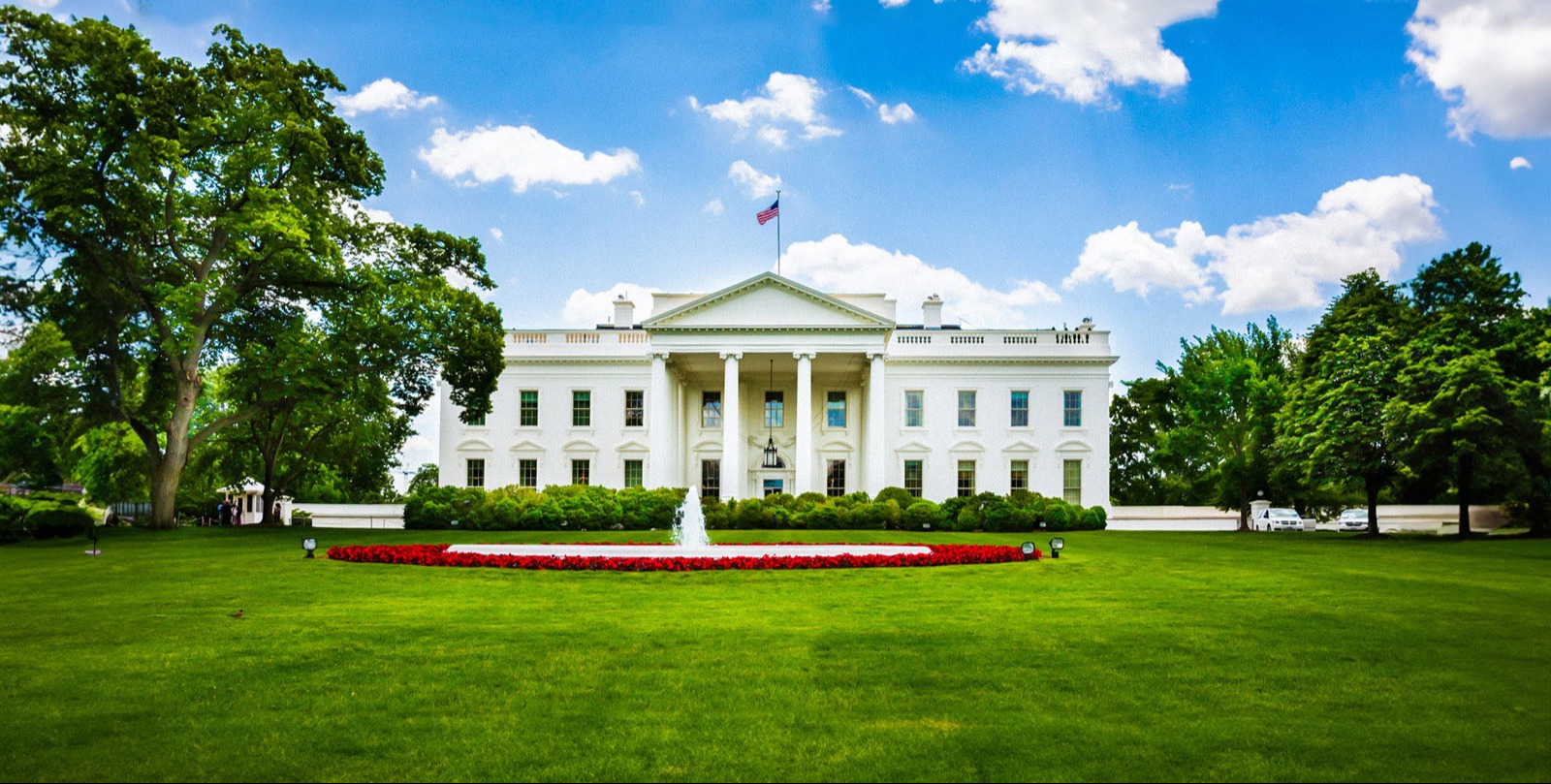
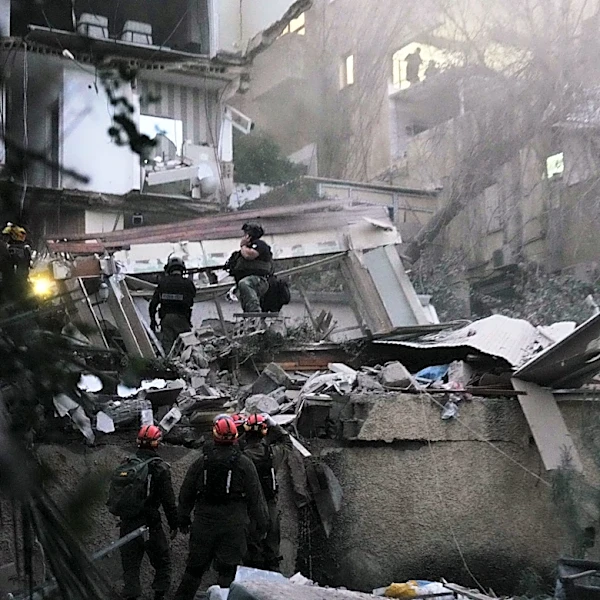
The United States and Iran are considering a ceasefire plan to end their five-week conflict, with a deadline set by President Trump for Tuesday evening. The conflict began after Iran closed the Strait of Hormuz in response to U.S. and Israeli attacks.
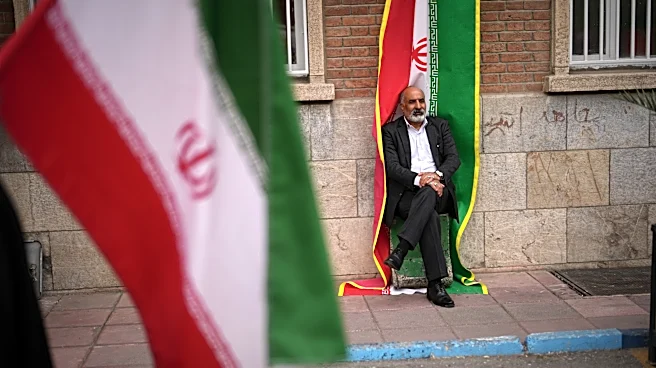
The proposed ceasefire, brokered by Pakistan, includes immediate cessation of hostilities and subsequent peace talks. However, Iran has shown reluctance to reopen the Strait without a permanent agreement and has rejected U.S. demands as excessive. The situation remains tense, with both sides preparing for potential escalation if a deal is not reached.
Why It's Important?
The closure of the Strait of Hormuz has significant implications for global energy markets, as it is a major route for oil and gas supplies. The conflict has already led to increased oil prices and economic uncertainty. A resolution could stabilize markets and reduce the risk of a broader regional conflict. However, the potential for military escalation remains high, with President Trump threatening further strikes on Iranian infrastructure. The outcome of these negotiations could impact U.S. foreign policy and its relations with Middle Eastern countries.
What's Next?
If a ceasefire agreement is not reached by the deadline, the U.S. may proceed with military action, potentially escalating the conflict. Diplomatic efforts will likely continue, with international stakeholders possibly intervening to mediate. The situation remains fluid, with potential implications for U.S.-Iran relations and regional stability.