




What's Happening?
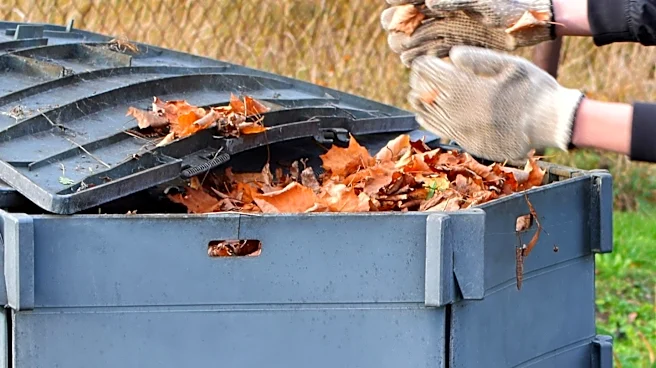
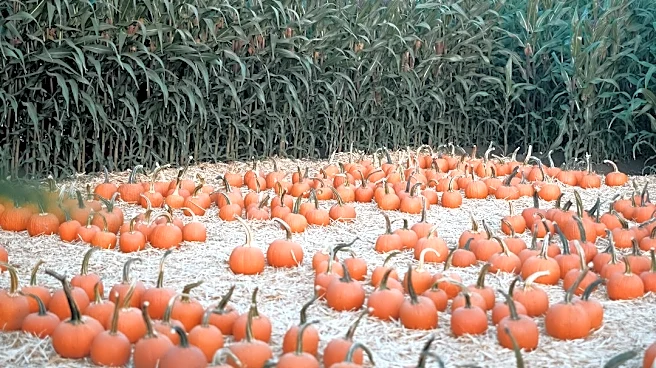
The City of Madison, WI, through its Streets Division, is advising residents to place their pumpkins, gourds, hay, and other compostable plant decorations directly into their curbside leaf piles for collection. This initiative aims to streamline the disposal
of seasonal organic waste. Residents are instructed to remove any non-compostable items such as wires, paint, candles, lights, or string from these decorations before setting them out. The collection of these materials will occur during the work week following the designated set-out date for leaf and yard waste. The Streets Division's website provides detailed information on specific set-out dates and other services. Additionally, the city offers alternative composting options, including food scraps drop-off sites at all three drop-off locations, a food scraps drop-off at the Westside Community Farmers' Market on specific Saturdays, and year-round Dane County Scrap Stops. For those interested in larger-scale composting, the Dane County Waste and Renewables department is hosting multiple pumpkin drop-off events around Dane County on November 7, 2026. Home composters are also encouraged to add pumpkins to their piles, as they are a good source of nitrogen to balance carbon from fallen leaves.
Why It's Important?
This guidance from the City of Madison is important for several reasons, primarily concerning waste management efficiency and environmental sustainability. By integrating pumpkins and other plant decorations into existing leaf collection, the city can reduce the volume of organic waste entering landfills, which helps mitigate methane emissions—a potent greenhouse gas. This approach simplifies the disposal process for residents, potentially increasing participation in composting efforts and diverting more organic material from general waste streams. The emphasis on removing non-compostable elements before collection highlights the city's commitment to maintaining the purity of its compostable material, ensuring the resulting compost is high-quality and free from contaminants. Furthermore, promoting home composting and providing various drop-off options empowers residents to actively contribute to local environmental initiatives, fostering a more sustainable community. The initiative also educates the public on the benefits of composting, such as using pumpkins as a nitrogen source to balance carbon in home compost piles, which can improve soil health and reduce the need for chemical fertilizers.
What's Next?
Residents of Madison should consult the Streets Division's website to determine their specific leaf and yard waste set-out dates to ensure their pumpkins and other plant decorations are collected efficiently. The Westside Community Farmers' Market will continue to offer food scraps drop-off on Saturday, October 31, and November 7. The Dane County Waste and Renewables department's pumpkin drop-off events are scheduled for November 7, 2026, providing another avenue for disposal. City drop-off sites will transition to winter hours starting December 4, 2026, so residents planning to use these facilities should be aware of the impending schedule change. The City of Madison will likely continue to monitor the effectiveness of this integrated collection method and assess resident participation to refine future waste management strategies. Educational campaigns promoting home composting and the use of food scraps drop-off sites are expected to continue, encouraging broader community engagement in sustainable waste practices.
Beyond the Headlines
The City of Madison's initiative to include pumpkins in leaf piles reflects a broader trend in urban waste management towards more integrated and environmentally conscious practices. This seemingly small policy change underscores a shift from viewing organic waste as merely trash to recognizing its value as a resource. By encouraging composting, whether curbside, at drop-off sites, or at home, the city is not only reducing landfill burden but also promoting the creation of nutrient-rich soil amendments. This approach can lead to a more circular economy within the city, where organic materials are returned to the earth, enhancing local ecosystems and supporting urban gardening efforts. The policy also subtly educates residents on the principles of waste separation and the environmental impact of their daily choices, fostering a greater sense of environmental stewardship. Over time, such policies can contribute to a cultural change, making sustainable waste practices a routine part of urban living and potentially influencing other municipalities to adopt similar strategies.