



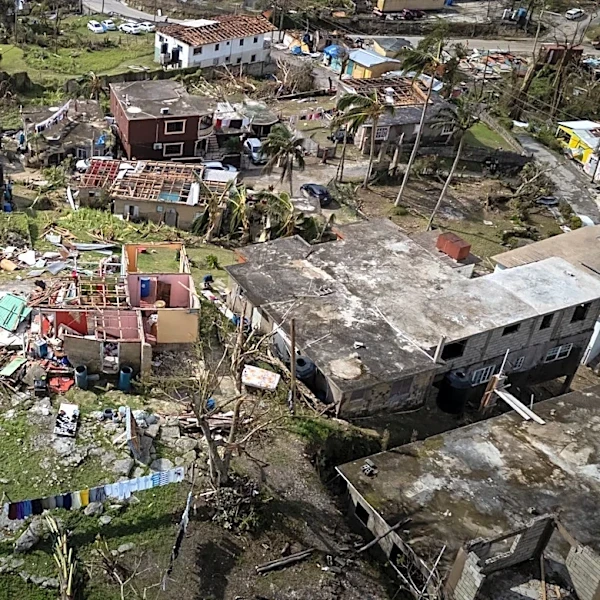





What's Happening?
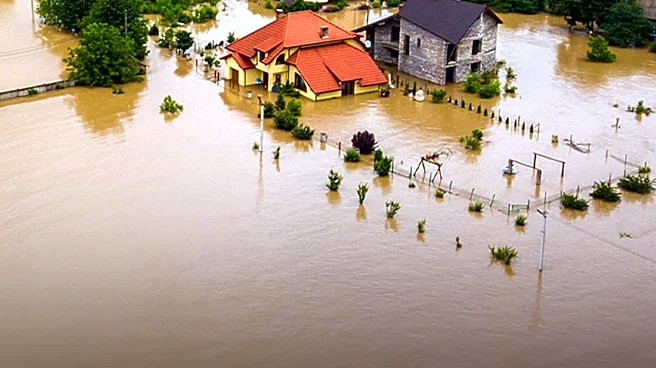
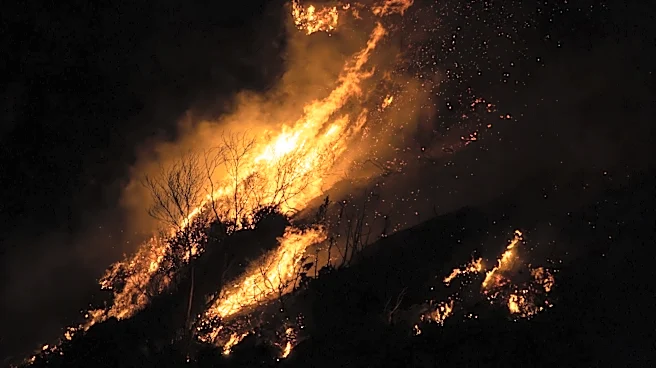
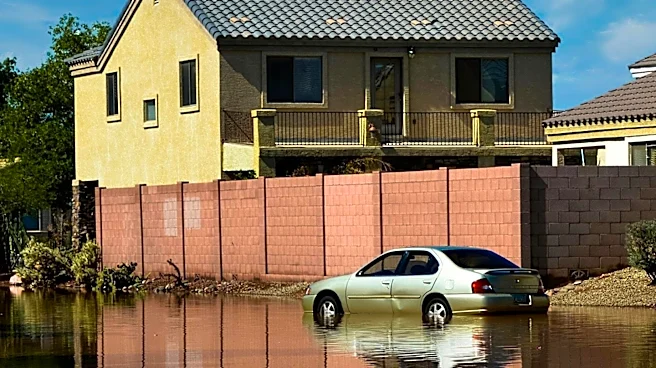
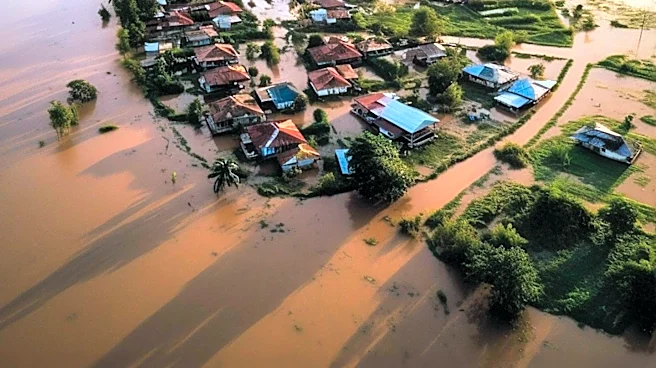
Communities across the United States are experiencing a rise in disaster fatigue due to the increasing frequency of floods and other natural disasters. Recent flash floods have affected areas from Texas to Kentucky, the Midwest, and the Northeast, causing
significant damage to infrastructure and homes. In Missouri, floodwaters swept away a home, necessitating rescue operations by the National Guard. This pattern of repeated disasters is straining communities, as they struggle to recover from one event before another occurs. The phenomenon, known as disaster fatigue, is characterized by the exhaustion of community resources and the deterioration of social networks essential for recovery. Researchers highlight that climate change is exacerbating these patterns, with more frequent heavy precipitation, extreme heat, and droughts.
Why It's Important?
The increasing frequency of natural disasters poses significant challenges to community resilience and recovery efforts. As communities face repeated disruptions, the strain on social cohesion and local resources becomes more pronounced. This ongoing cycle of recovery and disaster can lead to economic hardships, mental health issues, and a decline in community well-being. The phenomenon of disaster fatigue underscores the need for more robust and sustainable recovery systems that can withstand the pressures of frequent disasters. Effective recovery strategies require coordinated efforts from government agencies, nonprofits, and community groups to address both immediate and long-term needs. Recognizing and addressing disaster fatigue is crucial for building resilient communities capable of enduring future challenges.
What's Next?
To combat the effects of disaster fatigue, communities and policymakers must focus on strengthening recovery systems and ensuring sustained investments in infrastructure and social services. This includes developing strategic approaches to aid distribution, enhancing long-term recovery planning, and fostering collaboration among various stakeholders. As climate change continues to increase the frequency and intensity of natural disasters, it is imperative to build systems that can provide enduring support to affected communities. By addressing the root causes of disaster fatigue and implementing comprehensive recovery strategies, communities can better prepare for and respond to future disasters.
Beyond the Headlines
The issue of disaster fatigue highlights broader implications for public policy and community resilience. It raises questions about the adequacy of current disaster response models and the need for systemic changes to better support affected communities. The repeated cycle of disasters and recovery also emphasizes the importance of addressing climate change and its impact on vulnerable regions. By investing in sustainable infrastructure and promoting climate resilience, policymakers can help mitigate the long-term effects of natural disasters and support the well-being of communities across the nation.