


What's Happening?
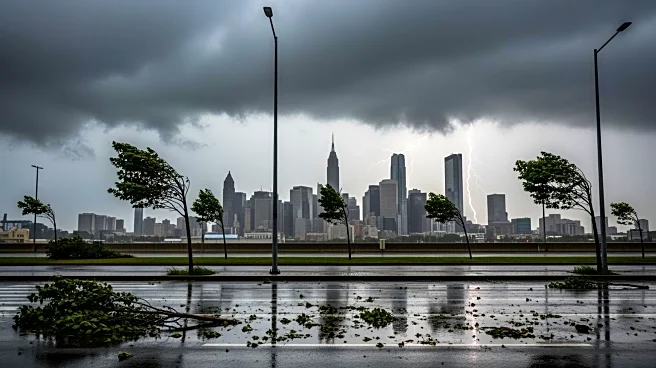
Unseasonal storms have struck southern Pakistan and north-west India, causing significant damage and fatalities. Karachi, Pakistan's largest city, experienced over 50mm of rain and winds gusting up to 60mph, leading to the collapse of walls, buildings,
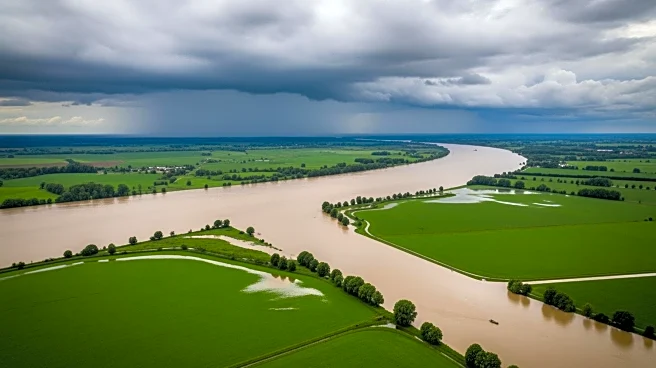
and a pedestrian bridge. The storms resulted in at least 18 deaths and numerous injuries, primarily due to structural collapses, fallen trees, and lightning strikes. In India, the provinces of Gujarat and Rajasthan were less severely affected, with rainfall not exceeding 38mm in most areas. However, the storms still caused power outages and minor damage to infrastructure. The unusual weather pattern is concerning for local agriculture, as farmers fear crop damage and disruptions to upcoming harvests. Typically, this region receives most of its rainfall during the monsoon season from June to September, making the current heavy rains atypical for March.
Why It's Important?
The unseasonal storms highlight the vulnerability of infrastructure in densely populated urban areas like Karachi, where rapid urbanization may have outpaced the development of resilient infrastructure. The fatalities and damage underscore the need for improved disaster preparedness and response strategies in the region. Additionally, the impact on agriculture could have broader economic implications, potentially affecting food supply and prices. The unusual weather patterns may also prompt discussions on climate change and its role in altering traditional weather cycles, emphasizing the need for adaptive strategies in both urban planning and agricultural practices.