



What's Happening?
Russian diplomats have criticized the European Union's latest sanctions against Moscow, arguing that they lack legitimacy without a United Nations Security Council decision. The sanctions are part of the EU's 20th package in response to Russia's invasion
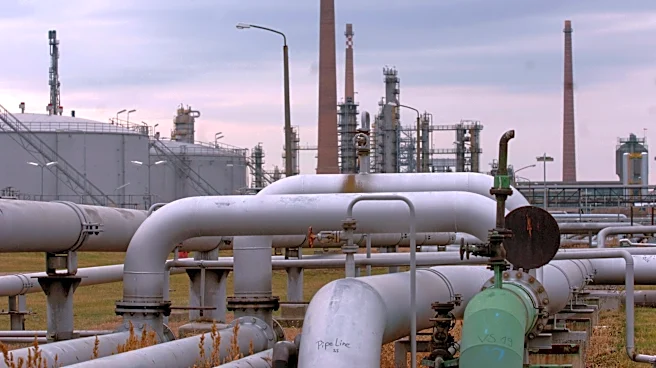
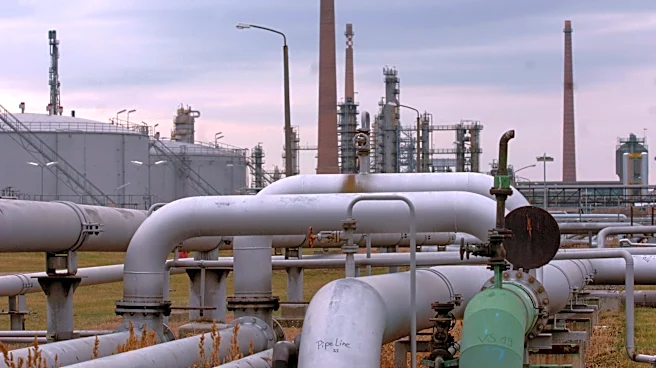
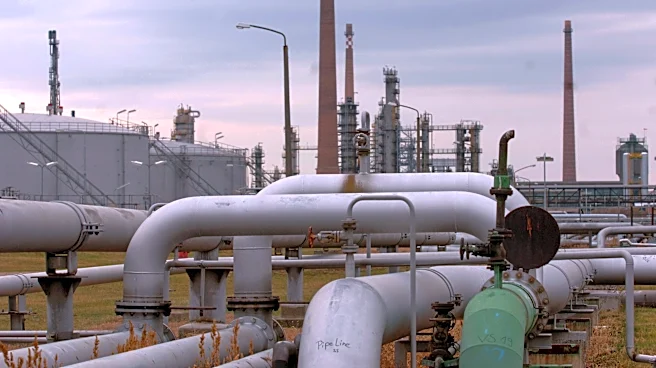
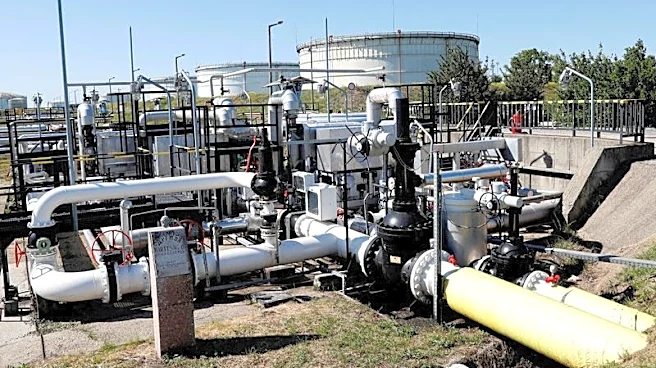
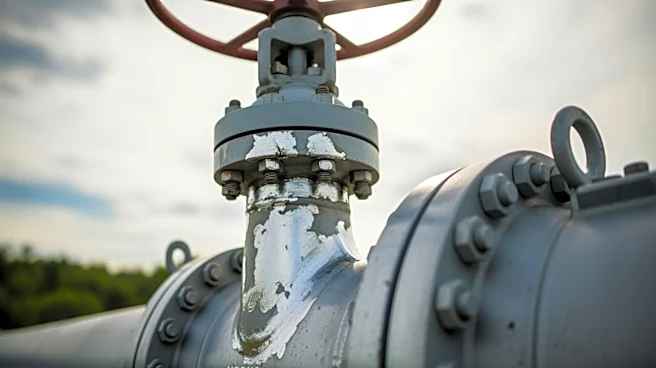
of Ukraine. Russian officials claim these measures infringe on the rights of third countries and amount to economic blackmail. The EU's sanctions aim to restrict exports to countries cooperating with Russia, a move that Russia views as an extraterritorial application of sanctions. The EU adopted the sanctions after Slovakia and Hungary dropped their opposition, following the resumption of oil flows through the Druzhba pipeline.
Why It's Important?
The criticism from Russian diplomats highlights ongoing tensions between Russia and the EU, with sanctions serving as a key tool in the geopolitical struggle over the Ukraine conflict. The lack of UN Security Council backing for these sanctions underscores the divisions within the international community regarding the legitimacy and effectiveness of unilateral sanctions. For the EU, these measures are part of a broader strategy to pressure Russia economically and politically. However, the effectiveness of such sanctions is often debated, as they can lead to unintended economic consequences for both the imposing and targeted nations.