


What's Happening?
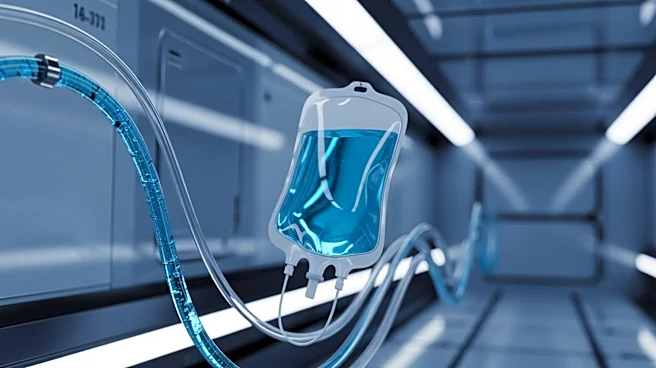
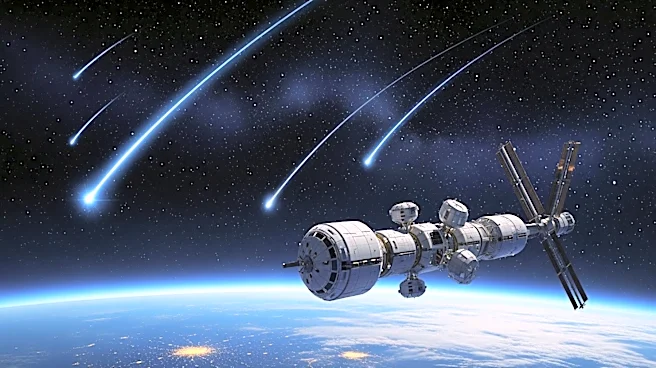
NASA has developed a new technology called the IntraVenous Fluid GENeration Miniaturized (IVGEN Mini) system, designed to produce medical-grade IV fluid in space. This system was sent to the International Space Station (ISS) on April 11, 2026, aboard
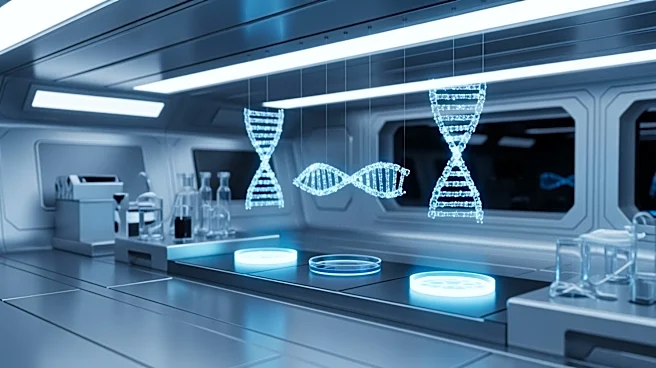
the Northrop Grumman Commercial Resupply Services 24 mission. The IVGEN Mini system transforms drinking water on the ISS into IV fluid by filtering it and adding sodium chloride. This innovation addresses the challenge of the limited shelf life of prepackaged IV fluids, which is currently 16 months, making it unsuitable for long-duration space missions. The system is set to undergo testing on the ISS to ensure it functions correctly in space conditions.
Why It's Important?
The development of the IVGEN Mini system is crucial for future deep space missions, such as those to Mars, where missions could last up to three years. The ability to produce IV fluid on demand reduces the need to carry large quantities of prepackaged fluid, which could expire during the mission. This not only lightens the cargo load but also ensures that the fluid is always within its expiration period, reducing risks associated with medical emergencies in space. The technology represents a significant advancement in supporting the health and safety of astronauts on long-duration missions.
What's Next?
The IVGEN Mini system will be tested on the ISS, with operations planned for May 2026. During these tests, 10 liters of IV fluid will be produced and returned to Earth for analysis to confirm its safety and compliance with medical standards. The success of these tests could lead to the system's integration into future space missions, providing a reliable source of IV fluid for astronauts. Additionally, the technology could be further refined and miniaturized for more efficient use in space.