






What's Happening?
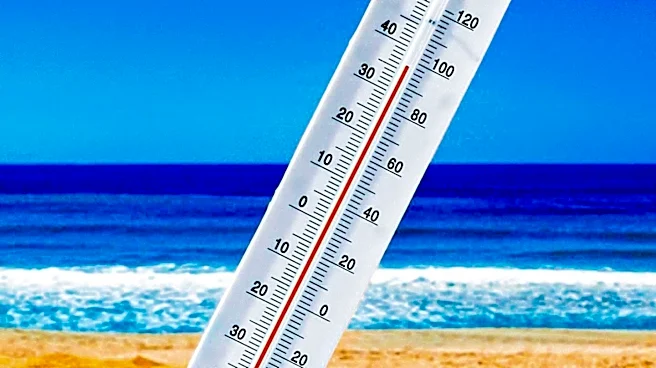
The UK is experiencing unprecedented heatwaves, with temperatures reaching 35°C or higher, exposing vulnerabilities in the cold chain systems that retailers depend on to keep food safe. Supermarket refrigeration units have failed across the country, leading
to empty chilled and frozen food sections in stores like Tesco, M&S, and Sainsbury's. The cold chain, which includes refrigerated storage, vehicles, and distribution centers, is under pressure as older systems struggle to maintain required temperatures. Wiliot, a technology company, is addressing these challenges by using Bluetooth Low Energy tags to provide continuous monitoring of temperature and humidity, aiming to prevent spoilage by offering real-time data on the conditions products experience during transit.
Why It's Important?
The heatwave-induced failures in the cold chain have significant implications for food safety and retail operations. As temperatures rise, the risk of food spoilage increases, potentially leading to financial losses for retailers and health risks for consumers. The situation highlights the need for modernizing cold chain infrastructure to withstand extreme weather conditions. Wiliot's technology offers a solution by enhancing visibility into the supply chain, allowing retailers to monitor and respond to temperature fluctuations in real-time. This development is crucial for maintaining food quality and safety, especially as climate change continues to cause more frequent and severe heatwaves.
What's Next?
Retailers may need to invest in upgrading their cold chain infrastructure to cope with rising temperatures. This could involve adopting new technologies like Wiliot's tags for better monitoring and integrating them with existing systems. The industry might also see increased collaboration between technology providers and retailers to develop more resilient supply chain solutions. As the UK and other regions face more extreme weather, the demand for innovative cold chain management solutions is likely to grow, prompting further advancements in technology and infrastructure.
Beyond the Headlines
The challenges faced by the cold chain due to heatwaves underscore broader issues related to climate change and infrastructure resilience. As global temperatures rise, industries reliant on temperature-controlled logistics must adapt to ensure product safety and quality. This situation also raises questions about the sustainability of current practices and the need for more environmentally friendly solutions. The integration of advanced monitoring technologies could lead to more efficient and less wasteful supply chains, benefiting both businesses and consumers in the long term.