






What's Happening?
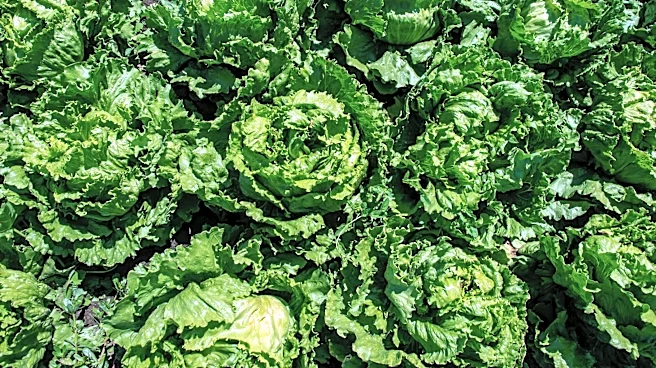
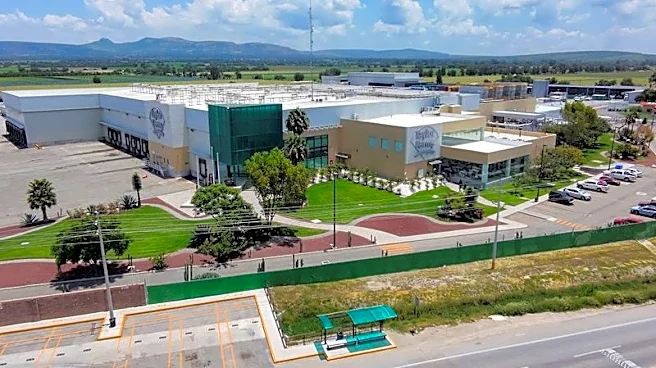
A cyclospora outbreak linked to produce from Taylor Farms de Mexico has affected over 1,600 individuals across five U.S. states, including Indiana, Kentucky, Michigan, Ohio, and West Virginia. This outbreak is part of a series of severe produce-related
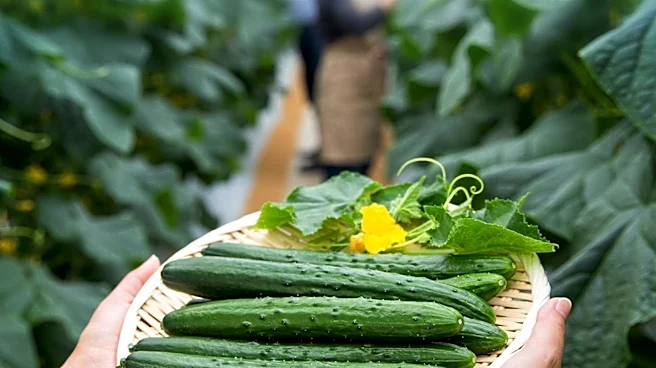
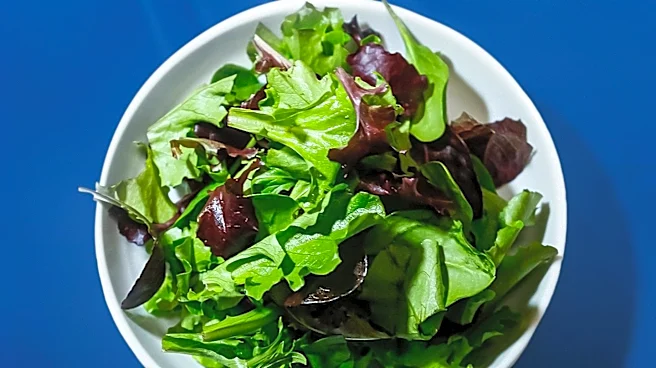
health incidents, prompting individuals to reconsider food safety practices. In response, some are turning to home-grown solutions, such as the Gardyn Studio, a hydroponic growing system, to cultivate their own produce. This system allows users to grow a variety of vegetables and herbs in small spaces, providing greater control over food safety and reducing reliance on mass distribution systems that may pose contamination risks.
Why It's Important?
The cyclospora outbreak highlights ongoing vulnerabilities in the mass distribution of produce, which can lead to widespread health issues. By adopting home-growing systems like the Gardyn Studio, consumers can mitigate some of these risks, gaining autonomy over their food sources. This shift could impact the agricultural industry by reducing demand for mass-produced greens and encouraging more localized, sustainable food practices. Additionally, it underscores the need for improved food safety regulations and transparency in the supply chain to prevent future outbreaks.
What's Next?
As more individuals explore home-growing options, there may be increased demand for affordable and accessible hydroponic systems. This trend could drive innovation in urban agriculture and influence policy discussions around food safety and sustainability. Additionally, there may be a push for stricter regulations and oversight of produce imports to prevent similar outbreaks. Consumers may also advocate for greater transparency from retailers regarding the sourcing and safety of their produce.
Beyond the Headlines
The move towards home-grown produce reflects broader societal shifts towards self-sufficiency and sustainability. It raises questions about the future of food production and the role of technology in ensuring food security. This trend could lead to a reevaluation of traditional agricultural practices and encourage investment in alternative farming methods that prioritize health and environmental considerations.