




What's Happening?
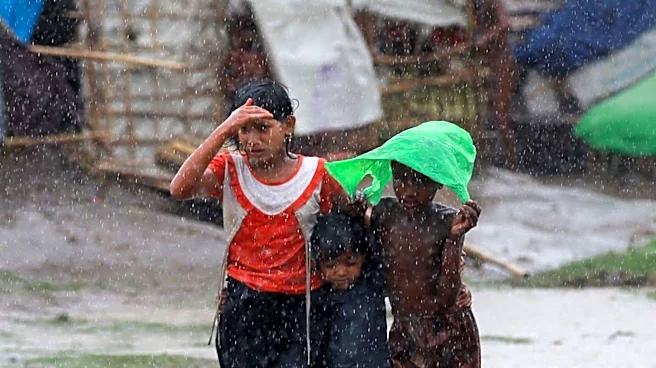
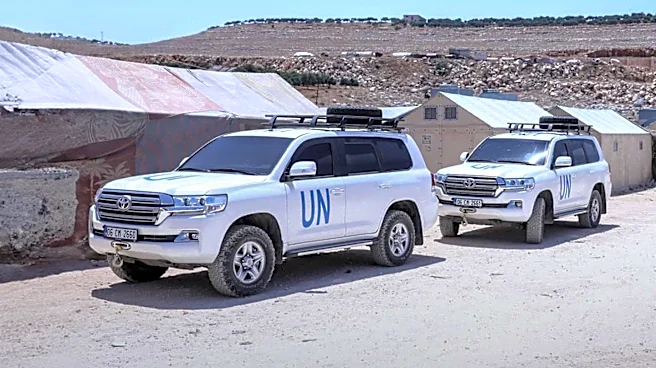
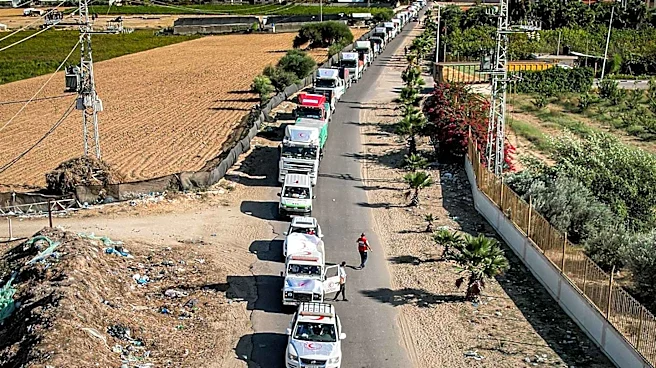
The United Nations relief chief, Tom Fletcher, has called for the immediate opening of all border crossings into Gaza to facilitate the delivery of urgently needed humanitarian assistance. This appeal follows severe flooding in the territory, which has exacerbated
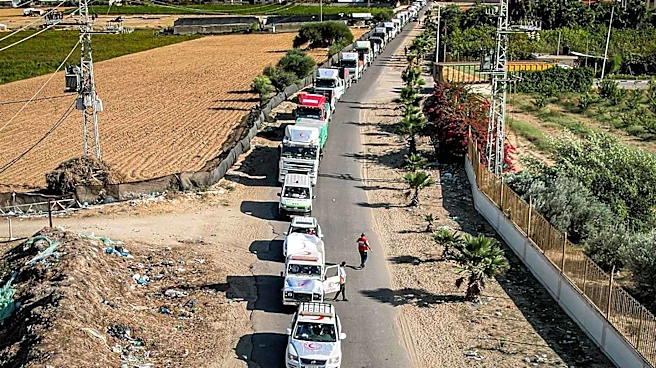
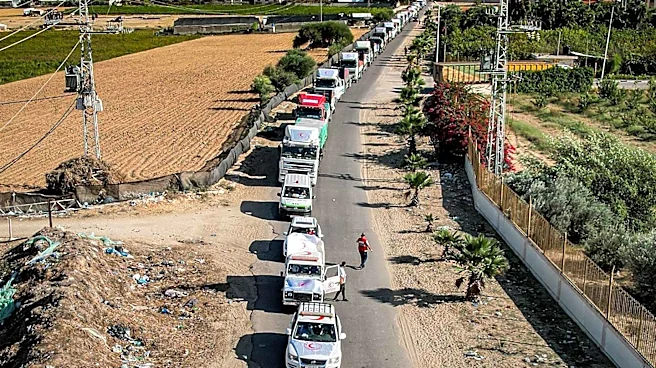
already dire living conditions for residents. Fletcher, who serves as the UN Under-Secretary-General for Humanitarian Affairs and Emergency Relief Coordinator, emphasized the need for authorities to remove restrictions that are delaying aid deliveries and to allow humanitarian organizations to operate without hindrance. He also advocated for the resumption of commercial markets and urged international partners to provide sufficient funding to address the escalating humanitarian crisis. The UN Office for the Coordination of Humanitarian Affairs (OCHA) has revealed that over 150,000 tents, purchased by humanitarian organizations and UN member states, are currently awaiting delivery outside Gaza. Urgent funding and Israeli approvals are required to transport these supplies and essential machinery into the territory.
Why It's Important?
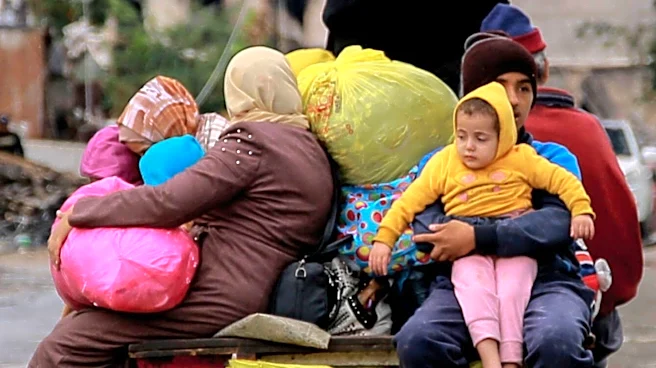
The call from the United Nations highlights a critical humanitarian situation in Gaza, where residents are facing severe challenges compounded by recent heavy rainfall and flooding. The inability to deliver essential supplies, including shelters, warm clothing, blankets, bedding, and safe heating equipment, poses a significant threat to the well-being and survival of the population. The delays in aid delivery, attributed in part to political developments, underscore the complex interplay between political dynamics and humanitarian needs. The UN's emphasis on international humanitarian law suggests that the current restrictions may be seen as a violation of these principles, potentially leading to increased international pressure on the parties involved. The lack of access for humanitarian organizations and the stalled commercial markets further cripple the region's ability to recover and sustain its population, making the immediate opening of aid crossings a matter of life and death for many.
What's Next?
The immediate next steps involve securing the necessary approvals and funding to transport the 150,000 tents and other essential supplies into Gaza. The United Nations will likely continue to pressure relevant authorities to lift restrictions on aid deliveries and facilitate the operations of humanitarian organizations. International partners are expected to respond to the call for increased funding to address the humanitarian crisis. The situation also necessitates a resolution to the political developments that are reportedly delaying aid, as the UN has stressed that international humanitarian law cannot be disregarded due to political transitions. The effectiveness of these appeals will determine the speed and scale of humanitarian relief reaching Gaza, directly impacting the lives of its residents, particularly as they contend with the aftermath of flooding and the ongoing shortage of basic necessities.
Beyond the Headlines
The ongoing humanitarian crisis in Gaza, exacerbated by recent flooding and aid restrictions, points to deeper issues concerning international humanitarian law and the responsibilities of governing authorities in conflict zones. The UN's strong condemnation of delays linked to political developments underscores a fundamental tension between political objectives and the imperative to protect civilian populations. This situation raises ethical questions about the prioritization of political considerations over human suffering and the effectiveness of international mechanisms in ensuring humanitarian access. The long-term implications could include a further deterioration of living conditions, increased displacement, and a potential for greater instability in the region. It also highlights the critical role of international organizations in advocating for vulnerable populations and the challenges they face in navigating complex geopolitical landscapes to deliver aid.