






What's Happening?
The U.S. Energy Information Administration (EIA) reports that renewable energy sources accounted for over 30% of the country's electricity generation in the first five months of 2026. This marks a 10.1% increase from the same period in 2025, driven by
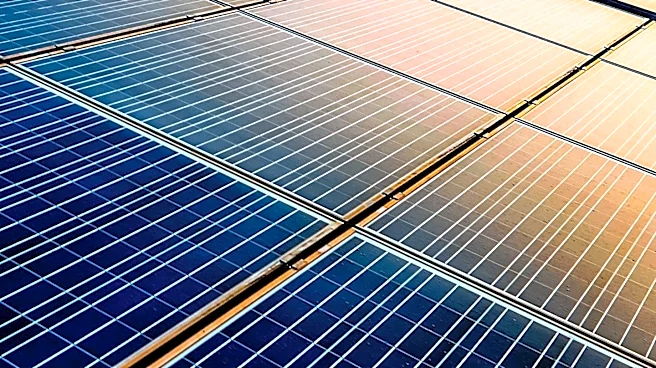
significant growth in solar and wind energy. Utility-scale solar saw a 21.6% increase, while small-scale solar grew by 12.8%. The EIA projects that renewable energy capacity will continue to expand, with solar and wind expected to add substantial new capacity by 2027.
Why It's Important?
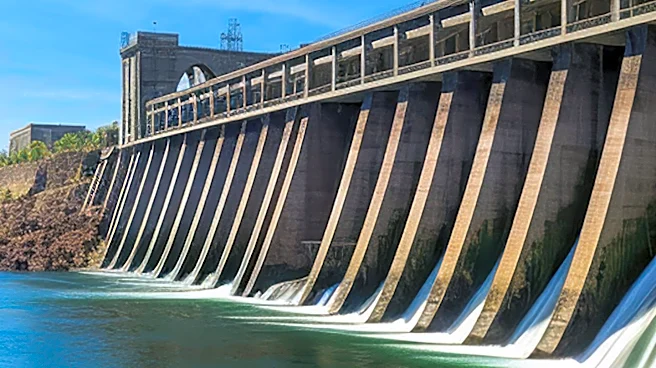
The growth in renewable energy highlights the ongoing transition towards cleaner energy sources in the U.S. This shift is crucial for reducing carbon emissions and combating climate change. The increase in renewable capacity also reflects technological advancements and cost reductions in solar and wind energy. As renewables become a larger part of the energy mix, they contribute to energy security and economic resilience by reducing reliance on fossil fuels.
What's Next?
The EIA projects further growth in renewable energy capacity, with utility-scale solar and wind expected to add significant new capacity by 2027. This expansion will likely continue to drive down costs and increase the share of renewables in the energy mix. Policymakers and industry stakeholders may focus on enhancing grid infrastructure and energy storage solutions to support the integration of renewables and ensure reliable energy supply.