
What's Happening?
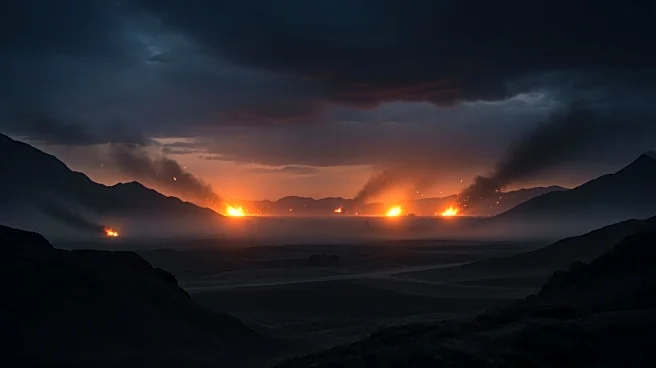
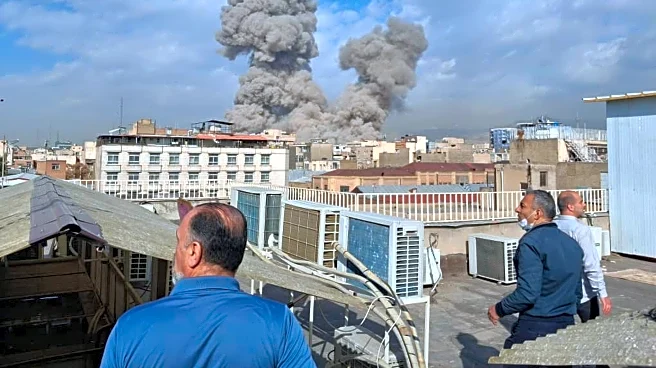
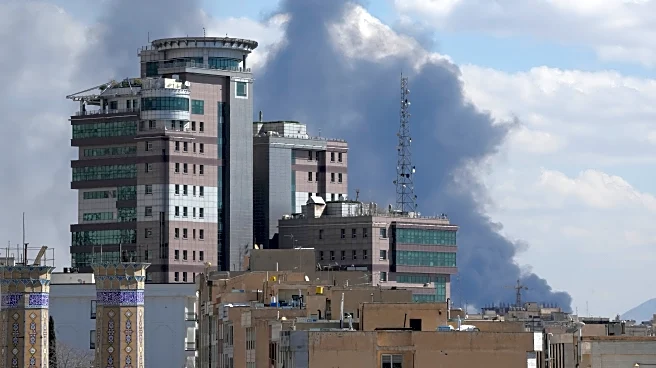
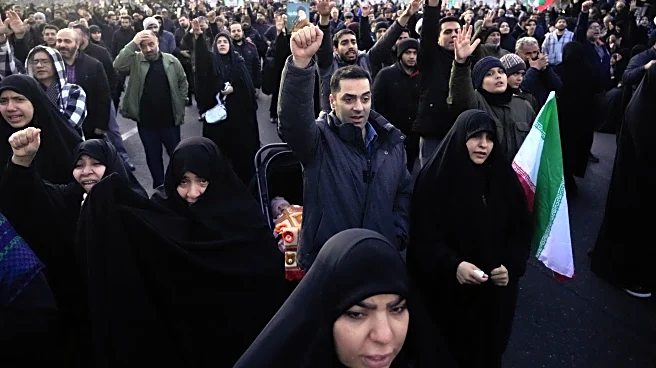
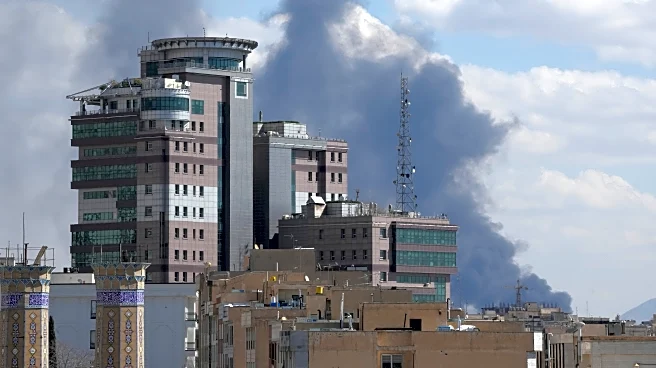
The United States and Israel have conducted coordinated military strikes across Iran, resulting in the death of Iranian Supreme Leader Ayatollah Ali Khamenei. The strikes, described as a 'powerful, surprise attack' by Israeli Prime Minister Benjamin Netanyahu,
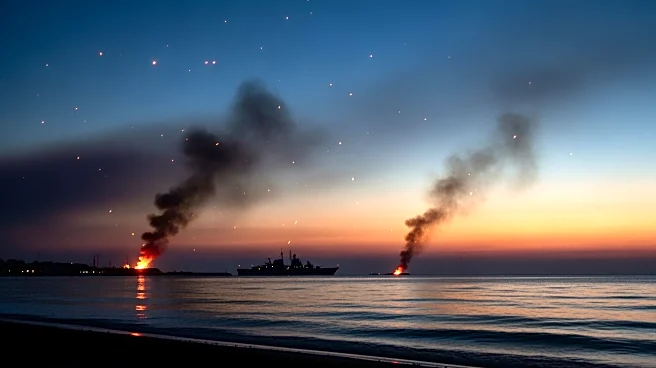
targeted Khamenei's compound in Tehran. In response, Iran launched missile and drone attacks towards Israel and several Gulf Arab countries hosting US military bases, including Bahrain, Kuwait, Qatar, and the UAE. The situation marks a significant escalation in tensions between Iran and the US-Israel alliance, with potential implications for regional security and international relations.
Why It's Important?
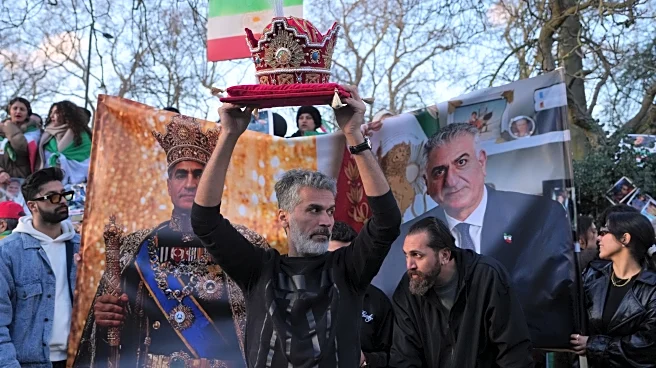
The death of Ayatollah Khamenei represents a major shift in Iran's political landscape, potentially leading to internal power struggles and changes in Iran's foreign policy. The strikes could further destabilize the Middle East, affecting global oil markets and international diplomatic relations. The involvement of Gulf countries highlights the broader regional impact, as these nations host US military bases and could become targets in retaliatory actions. The escalation may also influence US domestic politics, as policymakers debate the implications of military actions abroad.
What's Next?
The international community is likely to respond with calls for de-escalation and diplomatic engagement to prevent further conflict. The United Nations and other international bodies may seek to mediate between the involved parties. Within Iran, the leadership transition following Khamenei's death could lead to shifts in domestic and foreign policy. The US and its allies will need to navigate the complex geopolitical landscape, balancing military readiness with diplomatic efforts to maintain regional stability.