

What's Happening?
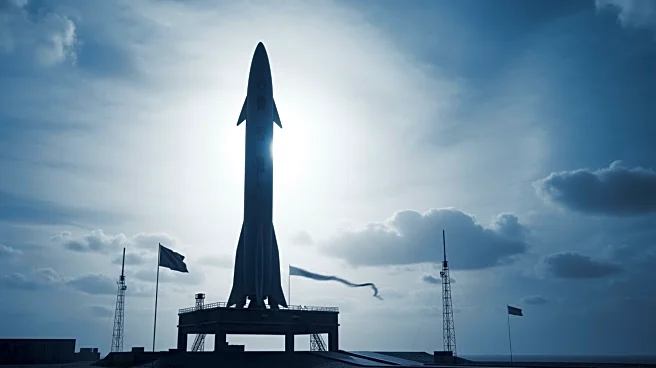
NASA's Kennedy Space Center in Florida is gearing up for the launch of Artemis 2, marking the first crewed Moon mission since 1972. Scheduled for April 1, 2026, this mission will utilize NASA's Space Launch System (SLS) rocket and the Orion spacecraft.
The Artemis II mission is a 10-day crewed flyby test flight that will orbit the Moon and return to Earth, aiming to verify the Orion spacecraft's life support systems for future lunar surface missions. The crew includes NASA astronauts Reid Wiseman, Victor Glover, Christina Koch, and Canadian Space Agency astronaut Jeremy Hansen. They have been preparing at the Kennedy Space Center, focusing on readiness and technical verification while remaining in quarantine under strict health monitoring. The mission will not involve a lunar landing but is a crucial step in establishing a sustained human presence on the Moon.
Why It's Important?
The Artemis 2 mission is a significant milestone in NASA's efforts to return humans to the Moon and establish a long-term presence there. This mission will test the systems necessary for future lunar landings, potentially paving the way for more ambitious space exploration endeavors. The success of Artemis 2 could bolster U.S. leadership in space exploration and inspire technological advancements. It also represents a critical step in NASA's Artemis program, which aims to land the first woman and the next man on the Moon by the mid-2020s. The mission's success could have far-reaching implications for international collaboration in space exploration, as it includes a Canadian astronaut, highlighting the global nature of space exploration efforts.
What's Next?
Following the Artemis 2 mission, NASA plans to conduct further tests and missions to ensure the safety and reliability of the systems for future lunar landings. The success of this mission will inform the planning and execution of Artemis 3, which aims to land astronauts on the lunar surface. NASA will continue to collaborate with international partners and private companies to advance its goals of sustainable lunar exploration and eventual human missions to Mars. The outcomes of Artemis 2 will be closely monitored by space agencies and stakeholders worldwide, as they could influence future space policy and funding decisions.