








What's Happening?
The Great Wall-2026 International Forum on Counter-Terrorism is currently underway in Beijing, bringing together over 320 representatives from 62 countries and international organizations. Organized by the Chinese People's Armed Police Force, the three-day
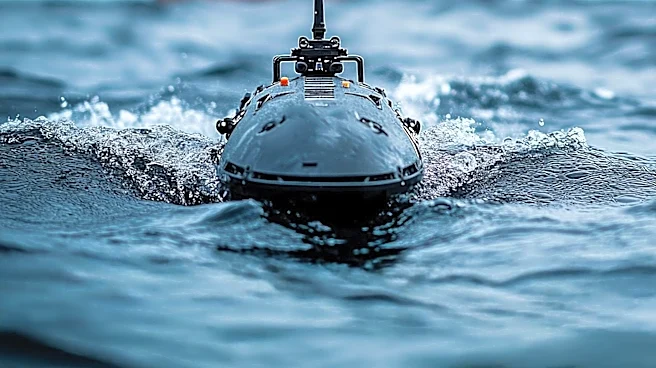
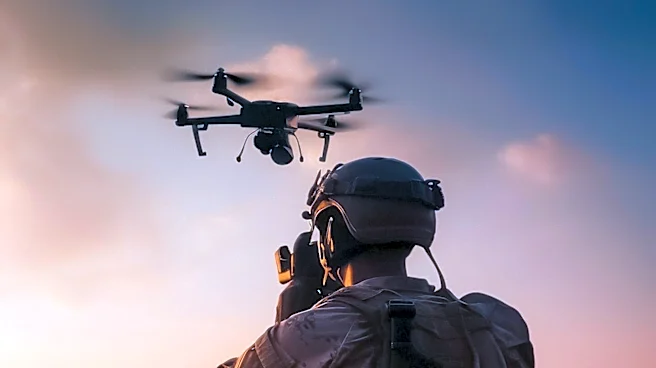
event, running from Tuesday to Thursday, focuses on strengthening global counter-terrorism cooperation. Key discussions revolve around the evolving nature of terrorist activities, particularly those facilitated by unmanned weapons and intelligent technology, and the corresponding need for enhanced counter-terrorism capabilities. The forum includes four seminar sessions designed for participants to share insights and experiences on practical cooperation in combating terrorism. Attendees are also scheduled to visit military training demonstrations and view unmanned equipment, according to the organizer.
Why It's Important?
This international forum highlights a critical global concern: the adaptation of terrorist groups to advanced technologies. The focus on unmanned weapons and intelligent technology underscores a significant shift in the methods and potential impact of terrorism, posing new challenges for national security and international stability. For the U.S. and its allies, understanding these evolving threats and participating in global dialogues on counter-terrorism strategies is crucial for developing effective defense mechanisms and intelligence sharing protocols. The discussions on capacity building are vital for ensuring that countries, particularly those with fewer resources, are equipped to detect, prevent, and respond to technologically sophisticated terrorist acts. The forum's emphasis on pragmatic cooperation, including intelligence exchanges and border control, directly impacts the collective ability to mitigate cross-border terrorist threats.
What's Next?
Following the forum, it is anticipated that participating nations and organizations will consider integrating the insights gained into their national counter-terrorism policies and international cooperative frameworks. The discussions on unmanned weapons and intelligent technology are likely to spur further research and development in counter-terrorism technologies and tactics. There may be increased bilateral and multilateral collaborations on intelligence sharing, joint training exercises, and the development of common standards for combating tech-enabled terrorism. The Chinese People's Armed Police Force, as the host, may continue to play a role in facilitating these exchanges and potentially organizing future forums to address emerging threats, aiming to build a more unified global front against terrorism.
Beyond the Headlines
The forum's focus on technology-driven terrorism raises profound ethical and legal questions regarding the use of autonomous weapons and surveillance in counter-terrorism operations. The proliferation of unmanned systems and AI in warfare and security contexts necessitates a global dialogue on accountability, human rights, and the potential for misuse. Furthermore, the emphasis on international cooperation implicitly acknowledges that terrorism is a transnational problem requiring a collective response, transcending national borders and political differences. This event could also subtly influence the global perception of China's role in international security, positioning it as a key contributor to global stability and counter-terrorism efforts, which has broader geopolitical implications.