







What's Happening?
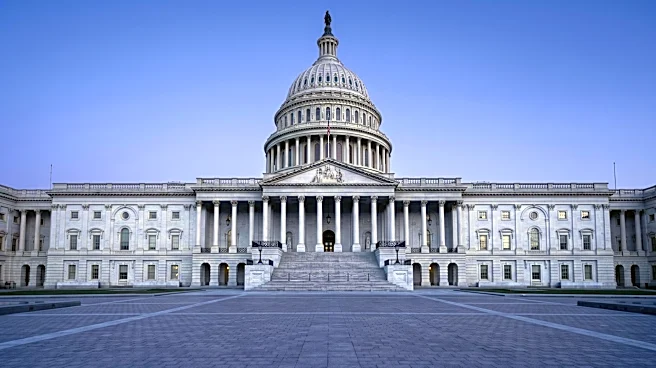
U.S. Senator Eric Schmitt has introduced the Modern Skies Act, a legislative proposal seeking $30 billion from Congress to modernize airport infrastructure across the United States. U.S. Transportation Secretary Sean Duffy joined Senator Schmitt in Missouri
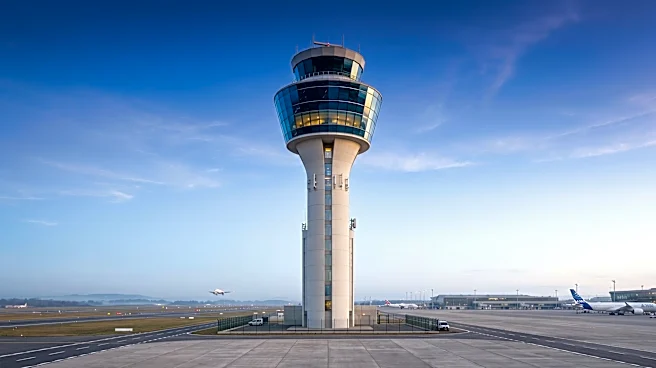
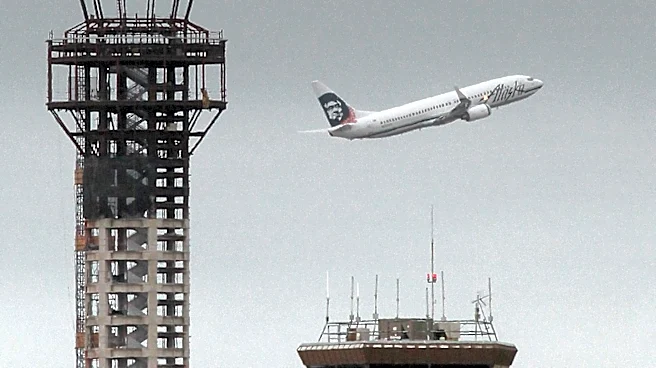
to advocate for the bill. The legislation is designed to address an anticipated 40% increase in air travel over the next two decades. The Modern Skies Act outlines a three-pronged approach for funding, targeting air traffic control systems, general aviation infrastructure, and airport terminals. Secretary Duffy highlighted that this bill aims to complete the national aviation system updates, building upon previous allocations. He specifically noted the outdated condition of many air traffic control towers, some dating back to the 1960s and 70s, which suffer from structural issues like leaky roofs. The bill also proposes equipping control towers with artificial intelligence-powered air traffic management systems, similar to the Strategic Management of Airspace, Routes, and Trajectories program already in use in the Washington, D.C., area.
Why It's Important?
The Modern Skies Act is significant for the U.S. aviation industry and the traveling public. Modernizing air traffic control systems and airport infrastructure is crucial for enhancing safety, reducing flight delays, and improving overall efficiency in air travel. The expected 40% increase in air travel underscores the urgency of these upgrades to prevent future bottlenecks and operational challenges. By integrating AI-powered air traffic management systems, the bill aims to optimize flight routes, minimize ground stops, and improve responses to adverse weather conditions, which could lead to substantial reductions in fuel and staffing costs. These savings are anticipated to translate into lower airfares for consumers, benefiting economic stakeholders and the general public. Furthermore, the proposed $10 billion pilot grant program for remodeling medium-sized passenger airports could revitalize regional economies and improve connectivity for communities that rely on these facilities, such as St. Louis, which Senator Schmitt hopes will be a recipient.
What's Next?
Senator Schmitt is focused on garnering bipartisan support to pass the Modern Skies Act within the current year. If passed, the bill would initiate a significant overhaul of U.S. airport infrastructure. The $10 billion pilot grant program, overseen by the Transportation Secretary, would then begin accepting applications from medium-sized passenger airports. Airports with primary terminal buildings constructed before 1990 that have not undergone remodeling would be eligible to apply for funding to enhance passenger capacity and circulation. Secretary Duffy has indicated that while St. Louis is a strong candidate for this program, the application process is expected to be competitive. The implementation of AI-powered air traffic management systems would likely expand beyond the Washington, D.C., area, potentially transforming air traffic control operations nationwide. The success of this legislation hinges on its ability to secure broad political consensus in Congress.
Beyond the Headlines
Beyond the immediate benefits of reduced delays and improved infrastructure, the Modern Skies Act represents a broader commitment to integrating advanced technology into critical national systems. The emphasis on AI-powered air traffic management systems highlights a growing trend of leveraging artificial intelligence to enhance operational efficiency and safety in complex environments. This technological shift could set a precedent for other sectors of U.S. infrastructure, encouraging further investment in smart systems. The bill also addresses the often-overlooked working conditions of air traffic controllers, acknowledging that modern facilities and tools are essential for their performance and morale. By improving these conditions, the legislation could contribute to a more stable and effective workforce, which is vital for maintaining the safety and reliability of the national airspace. The focus on medium-sized airports also suggests a strategic effort to distribute economic and infrastructural benefits beyond major hubs, potentially fostering regional growth and reducing congestion at larger airports.