


What's Happening?
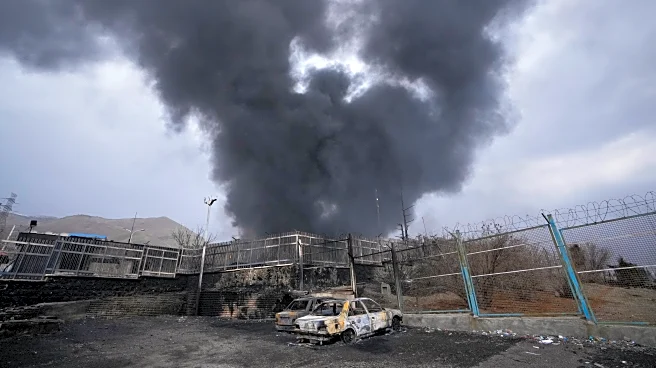
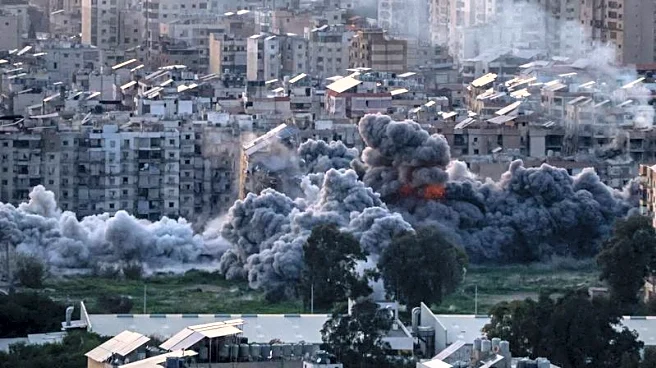
The ongoing military conflict between the U.S. and Iran has led to significant repercussions for Californians, particularly in terms of rising gas prices and concerns over potential military deployments. The conflict, which has intensified following the death
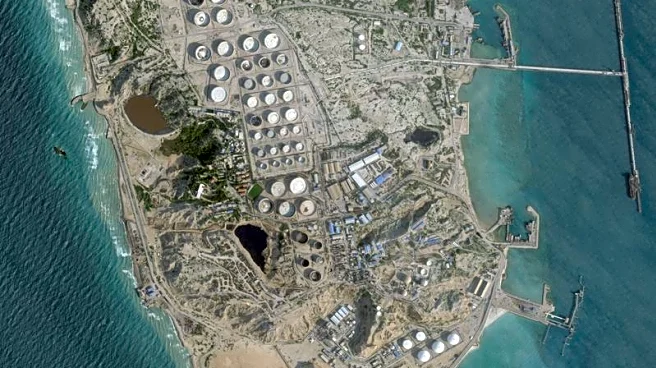
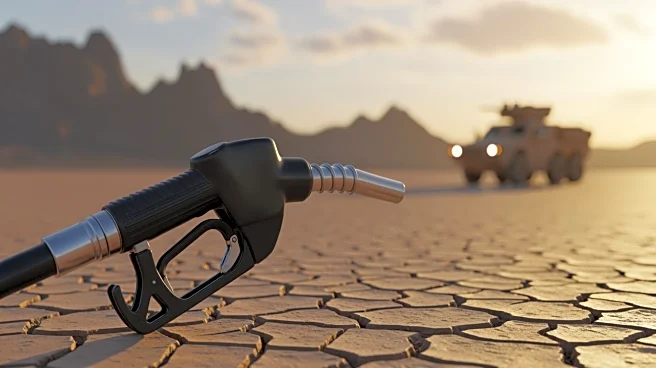
of Iran's supreme leader, has seen U.S.-Israeli military operations escalate. This has resulted in a near halt of tanker traffic through the Strait of Hormuz, a critical passage for global oil supply, causing a sharp increase in gas prices. California, with its high taxes and stringent environmental regulations, is experiencing the highest gas prices in the nation, averaging $4.91 per gallon. Additionally, military communities in California are on edge, fearing a prolonged conflict that could lead to further deployments. The state is home to a significant number of active-duty military personnel, and the recent death of a Californian service member in the conflict has heightened these concerns.
Why It's Important?
The situation is critical as it affects both the economic and social fabric of California. The rise in gas prices impacts consumers and businesses alike, potentially leading to increased costs for goods and services. For military families, the prospect of a 'forever war' raises concerns about the safety and well-being of their loved ones. The conflict also poses broader geopolitical risks, with potential implications for U.S. foreign policy and international relations. The economic strain from rising fuel costs could also influence public opinion and political discourse, particularly in a state as influential as California.
What's Next?
As the conflict continues, Californians may face further economic challenges if gas prices continue to rise. The potential for increased military deployments could also strain local communities and resources. Policymakers may need to address these issues through economic relief measures or diplomatic efforts to de-escalate the conflict. The situation remains fluid, and developments in the Middle East will likely continue to have significant repercussions for California and the broader U.S.