




What's Happening?
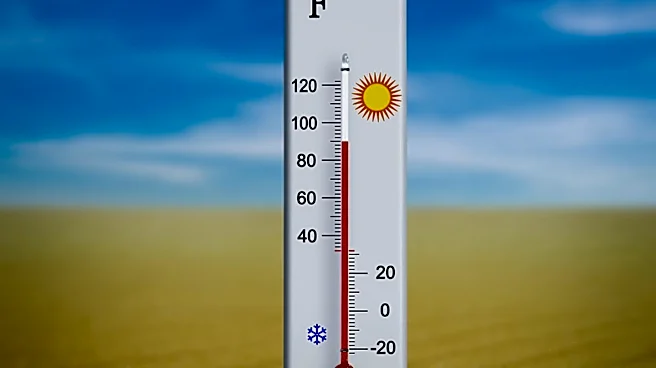
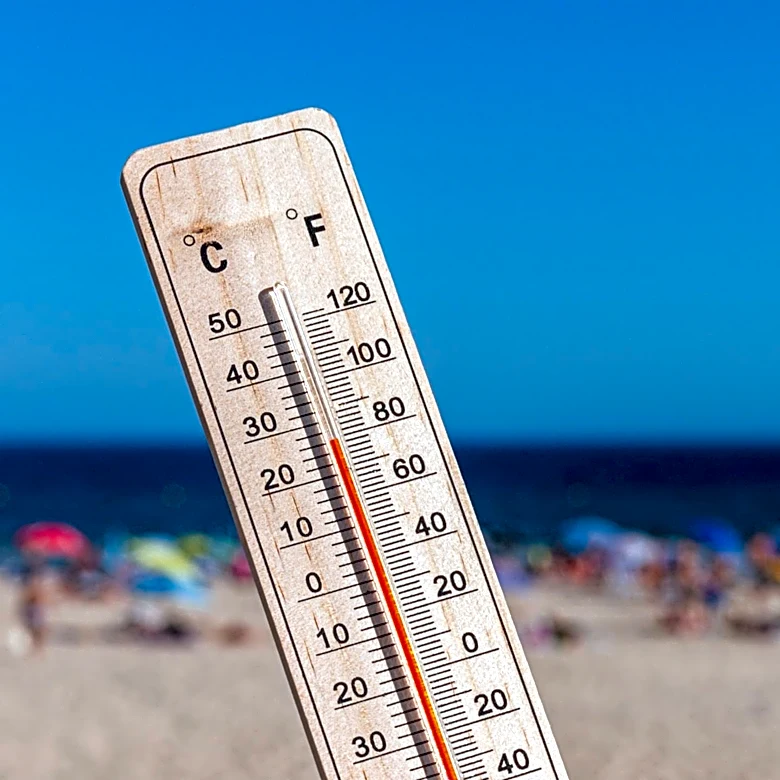
The National Oceanic and Atmospheric Administration (NOAA) has reported that July was the hottest month ever recorded for the contiguous United States, with an average temperature of 76.9 degrees Fahrenheit. This surpasses previous records set in July 1936
and July 2012. The extreme heat affected several states, including Idaho, Utah, Wyoming, and Montana, where all-time high temperature records were set. A heat wave in early July placed over 185 million people under heat alerts, impacting major metropolitan areas such as Boston, New York City, Philadelphia, and Washington, D.C. The heat also led to the cancellation of events, including the Independence Day parade in Washington, D.C. Additionally, the month saw heavy rain and flooding in areas like the Texas Hill Country and eastern New York, despite below-average precipitation across the contiguous U.S. The U.S. precipitation average for July ranked as the third driest on record.
Why It's Important?
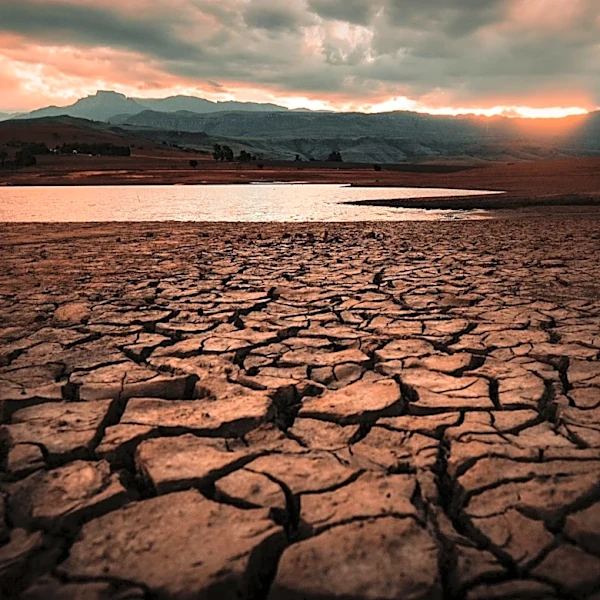
The record-breaking heat in July has significant implications for public health, infrastructure, and the environment. The extreme temperatures pose health risks, particularly for vulnerable populations such as the elderly and those with pre-existing health conditions. The heat also strains energy resources as demand for air conditioning increases, potentially leading to power outages. Furthermore, the dry conditions and high temperatures have exacerbated drought conditions, with nearly half of the contiguous U.S. experiencing drought. This has implications for agriculture, water supply, and wildfire risk, as seen in eastern Oregon where wildfires burned over 140,000 acres. The situation underscores the broader impacts of climate change and the need for adaptive measures to mitigate its effects.
What's Next?
Looking ahead, the World Meteorological Organization (WMO) has warned that above-normal temperatures are expected over the next three months due to the El Niño weather phenomenon. This could lead to further record-high global temperatures. Governments and communities are urged to anticipate risks and take proactive measures to mitigate the impacts of extreme weather. This includes implementing heat action plans, improving infrastructure resilience, and enhancing public awareness and preparedness for heat-related hazards.
Beyond the Headlines
The record heat in July highlights the ongoing challenges posed by climate change. It raises questions about the adequacy of current policies and infrastructure to cope with extreme weather events. The situation also emphasizes the importance of international cooperation in addressing climate change, as the impacts are felt globally. The development of El Niño against a backdrop of unprecedented ocean heat and rising temperatures presents both challenges and opportunities for innovation in climate adaptation and mitigation strategies.