
What's Happening?
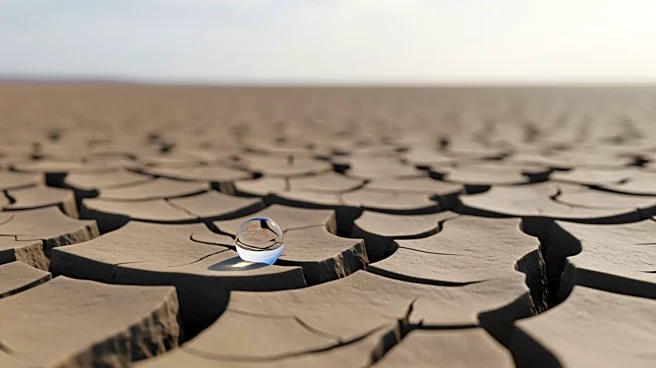
A new report from the United Nations highlights a global water crisis, describing it as an era of 'water bankruptcy' with irreversible consequences. The report outlines how the world is extracting water from natural
sources like rivers, lakes, and aquifers faster than they can be replenished, exacerbated by climate change-induced heat and drought. This has led to shrinking water bodies, declining aquifers, and increased desertification. The report calls for transformative actions in water management, including more efficient agricultural practices, better water monitoring, and increased protection for wetlands and groundwater. It emphasizes the need for long-term strategies to adapt to new, more restrictive water conditions.
Why It's Important?
The report's findings are significant as they highlight the urgent need for global and local policy changes to address water scarcity. The implications are vast, affecting agriculture, urban planning, and international relations. In the U.S., regions like the Southwest are already experiencing severe water stress, impacting agriculture and urban development. The report suggests that recognizing the concept of water bankruptcy could shift focus from short-term crisis management to long-term sustainability, potentially influencing policy decisions and investment in water infrastructure. This could lead to more sustainable water use practices and help mitigate the impacts of climate change on water resources.
What's Next?
The report calls for immediate action to prevent further damage and adapt to the new reality of water scarcity. This includes transforming agricultural practices, improving water monitoring, and protecting natural water sources. The U.S. and other countries may need to revise water-sharing agreements and invest in technologies that enhance water efficiency. Policymakers and stakeholders are likely to engage in discussions on how to implement these recommendations, potentially leading to new regulations and funding for water conservation projects.