





What's Happening?
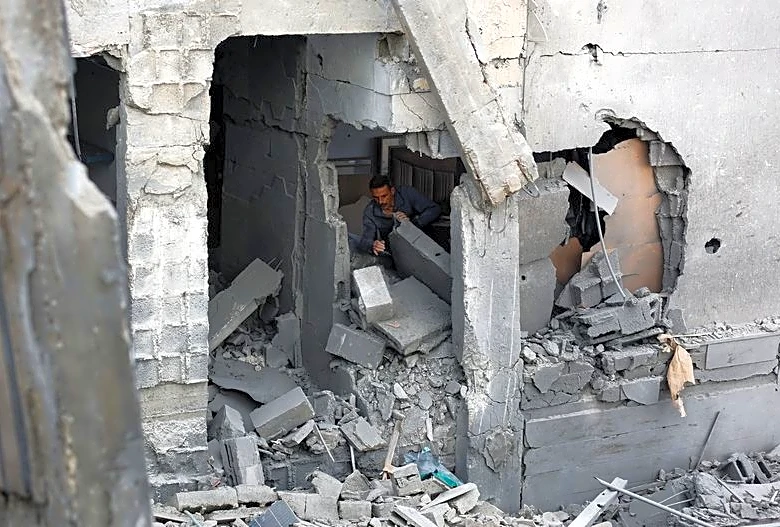
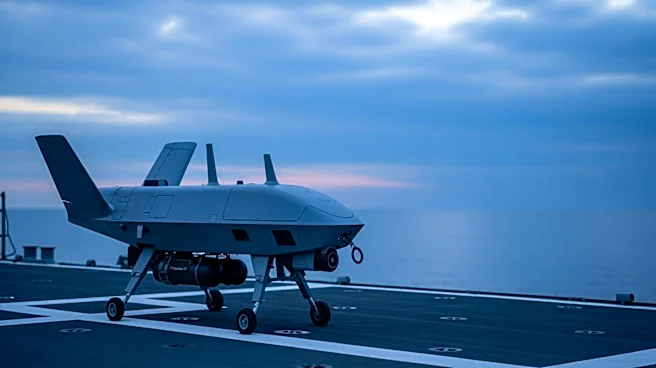
The United States recently conducted military strikes against Iran, which the Pentagon described as acts of self-defense. In response, Iran's Foreign Ministry has issued a statement warning that it will not leave any act of hostility unanswered. This
development comes amid heightened tensions between the two nations, with Iran expressing its intent to retaliate against what it perceives as aggressive actions by the U.S. The situation has escalated concerns about potential military conflict in the region, as both countries navigate a complex geopolitical landscape.
Why It's Important?
The U.S.-Iran tensions have significant implications for international relations and regional stability in the Middle East. The potential for military escalation could disrupt global oil markets, given the strategic importance of the region. Additionally, the situation may impact diplomatic efforts to address broader issues such as nuclear proliferation and regional security alliances. The U.S.'s actions and Iran's response will be closely monitored by global powers, as any miscalculation could lead to broader conflict, affecting international peace and security.
What's Next?
The international community will likely call for diplomatic engagement to de-escalate tensions between the U.S. and Iran. Both countries may face pressure from allies and international organizations to seek peaceful resolutions and avoid further military confrontations. The U.S. may also engage in strategic discussions with its allies to coordinate a unified response to Iran's threats. The situation remains fluid, and the coming days will be critical in determining whether diplomatic channels can prevent further escalation.